A Scaly-sided Merganser was reported on Tai Lam Chung Reservoir, which naturally got all birders extremely excited. We always knew this species could one day reach Hong Kong, it was just a matter of when. Unfortunately on the day I visited, the merganser decided to stay far away, while other people had much better views than I did, I was just happy to see this rarity. Unfortunately, this bird seems to have a broken lower mandible, therefore its tongue is hanging out from below, whether this affects it's ability to catch fish is not clear, but at the mean time it looks to be overall still in good shape. This will be the first record for Hong Kong if accepted, and hopefully one of many more to come!
 |
| Scaly-sided Merganser - Hong Kong first! |
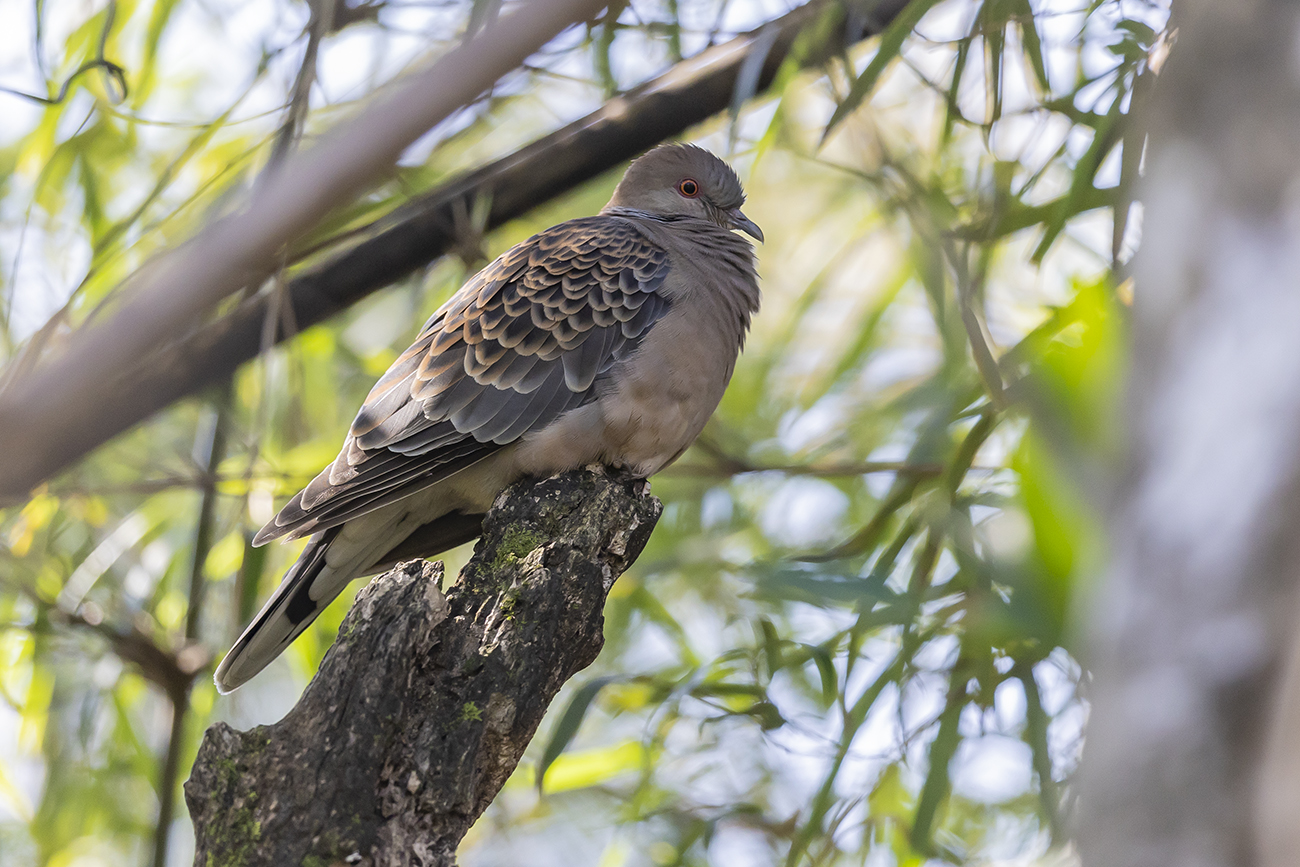
Another bird thats been keeping a lot of birders busy is the Barred Cuckoo-Dove, a few of these wonderful doves are again taken up residence along the valley at Wu Kau Tang. They seems to be more approachable this year, although photographing them still requires some luck. I was very lucky to have this adult female perched close to the footpath. Even though I've seen this species a lot of times now in Hong Kong, seeing them up close is still an exhilarating experience. The other dove species frequenting the area are many Oriental Turtle Doves, more than once I've been fooled by these chunky doves, thinking it was a Cuckoo-Dove...
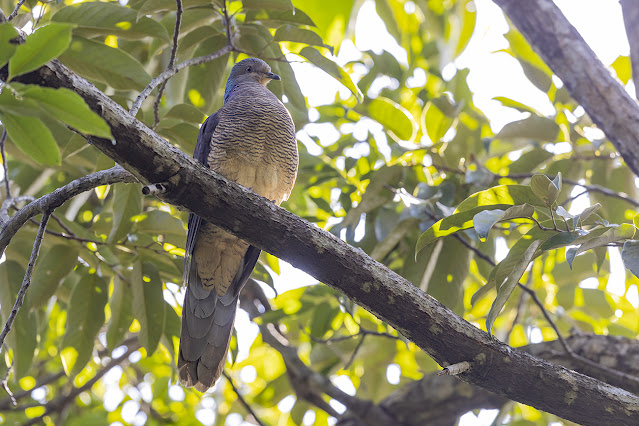 |
| Barred Cuckoo-Dove - female |
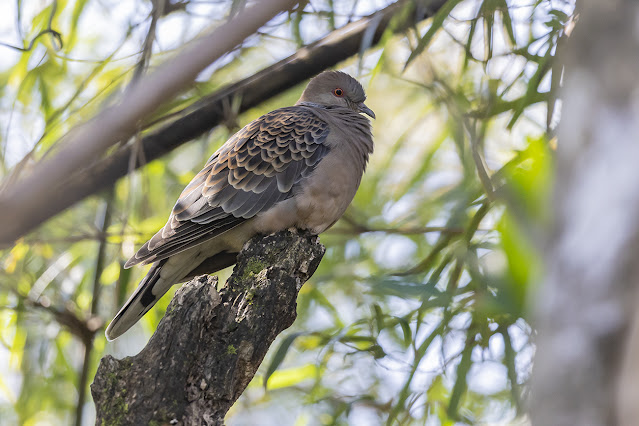 |
| Oriental Turtle Dove |
Another good bird wintering at Wu Kau Tang is the Small Niltava, it took me a few tries, but I finally got a few record photos of the beautiful male. Other than the Niltava, many birds can be seen along the valley, including numerous Indochinese Yuhinas, occasionally they can be extremely confiding. White-bellied Erpornis are also regularly sighted here with bird waves.
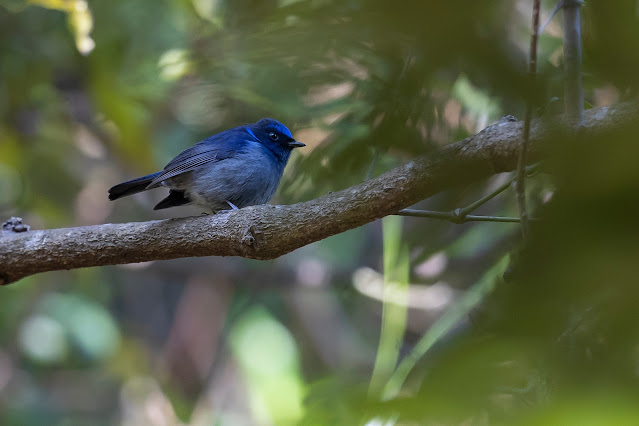 |
| Small Niltava - male |
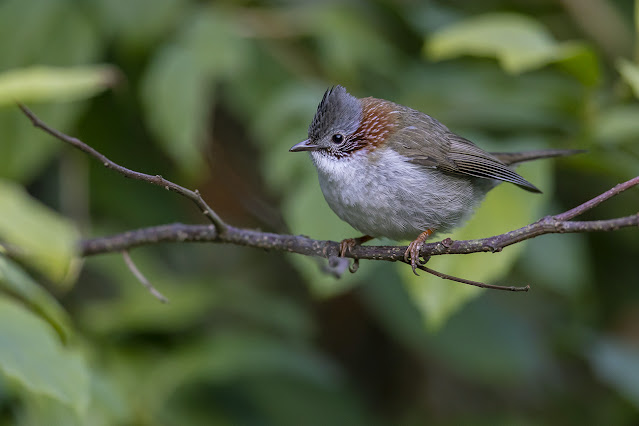 |
| Indochinese Yuhina |
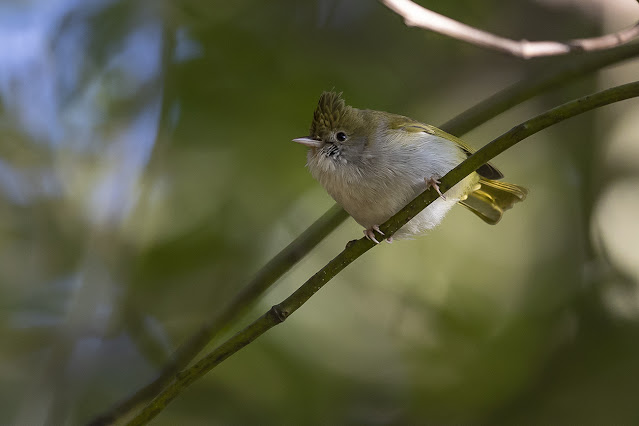 |
| White-bellied Erpornis |
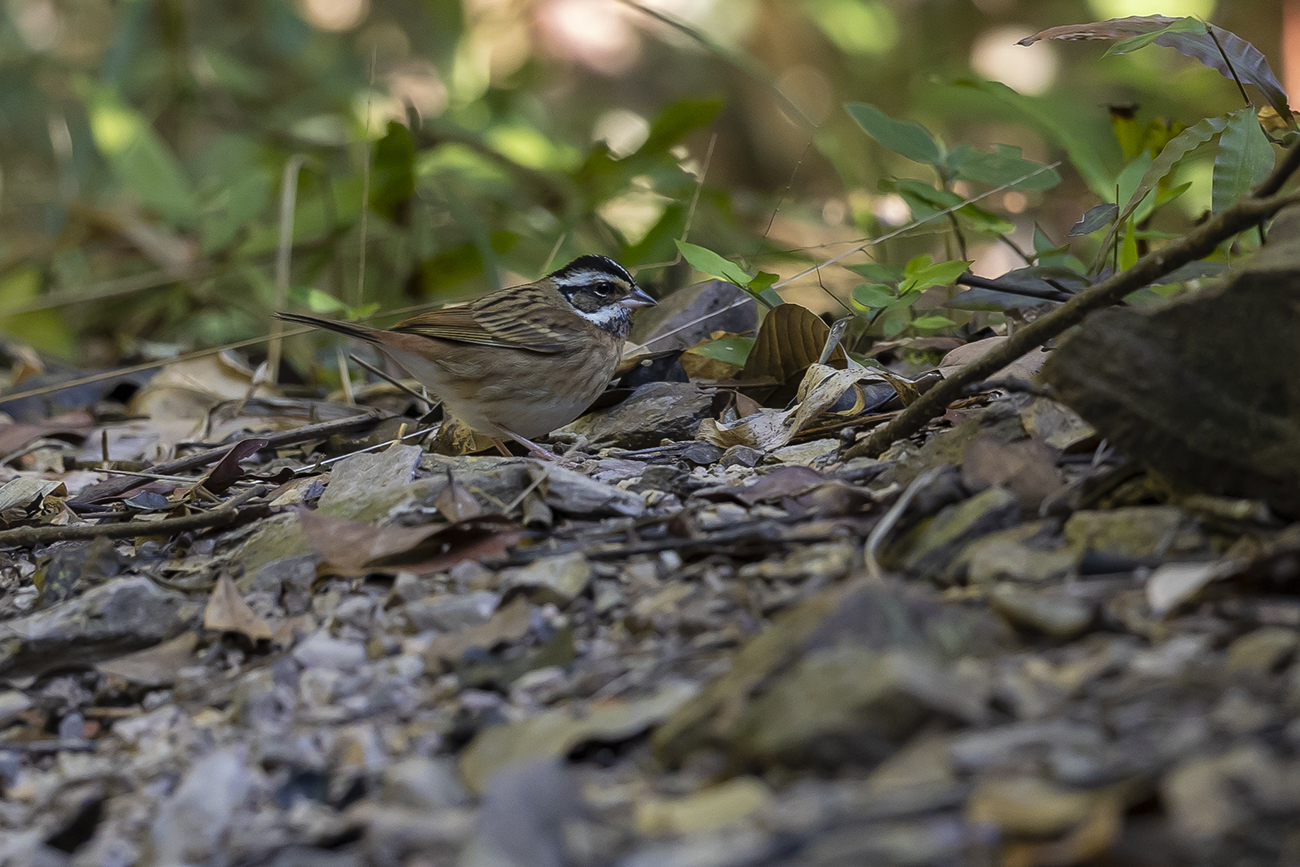
A single Hartert's Leaf Warbler been keeping birders busy when the Barred Cuckoo-Doves are not showing. Black Bulbuls also seems to be a permanent fixture here, their unique call echoes throughout the valley. A Speckled Piculet been drumming loudly, it occasionally show quite well here, foraging along the many climbing vines. A few Tristram's Buntings were also seen here, sometimes feeding on the trail.
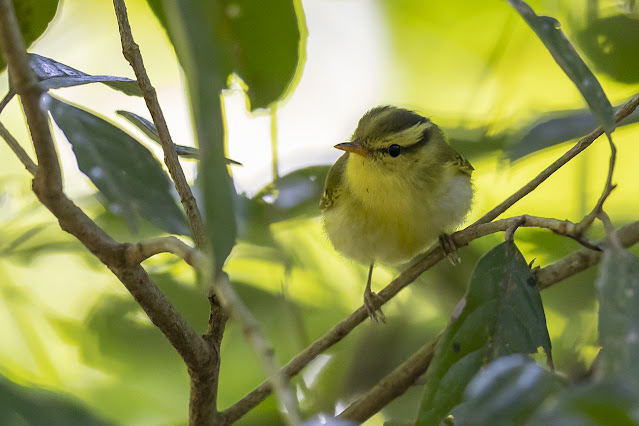 |
| Hartert's Leaf Warbler |
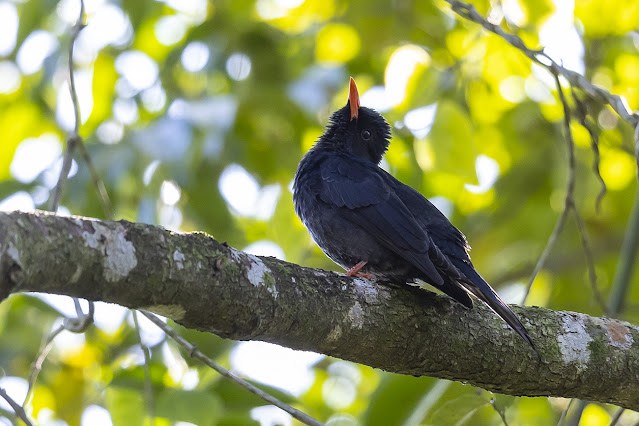 |
| Black Bulbul |
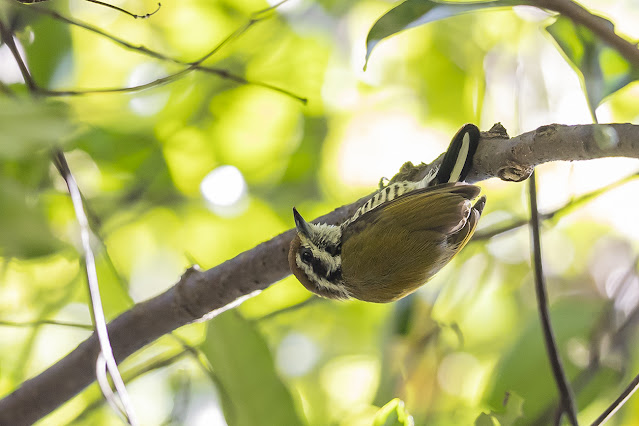 |
| Speckled Piculet |
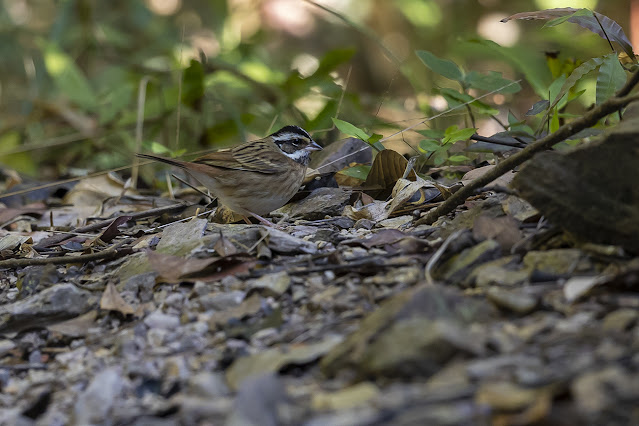 |
| Tristram's Bunting - male |
Along the main road to the village, up to two White's Thrush been seen regularly, it is almost unreal to have so many of these nice looking thrushes wintering in Hong Kong this winter. Numerous Japanese and Grey-backed Thrushes can be seen in the area as well. Black-faced Bunting is by far the most common bunting species wintering at Wu Kau Tang, they are most often found along the main road.
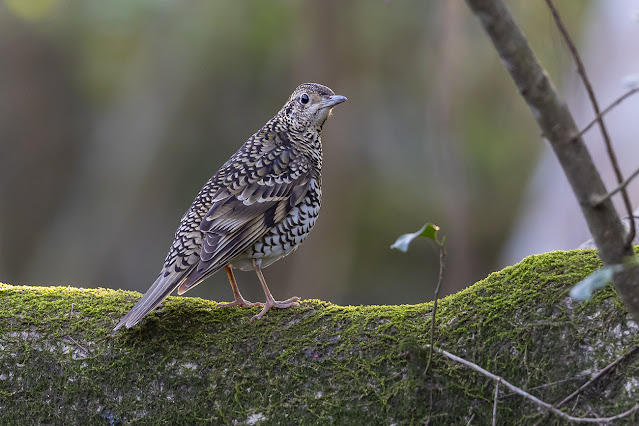 |
| White's Thrush |
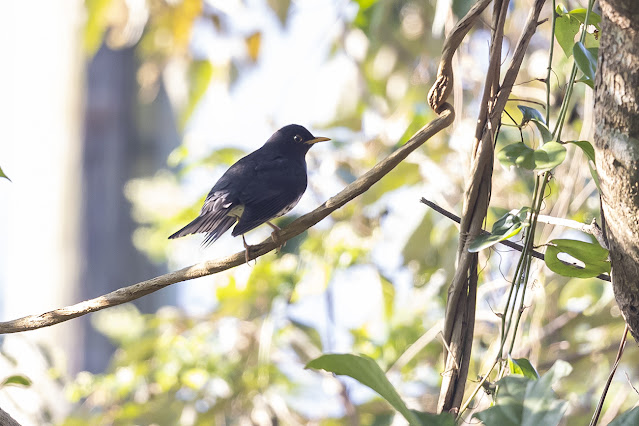 |
| Japanese Thrush - male |
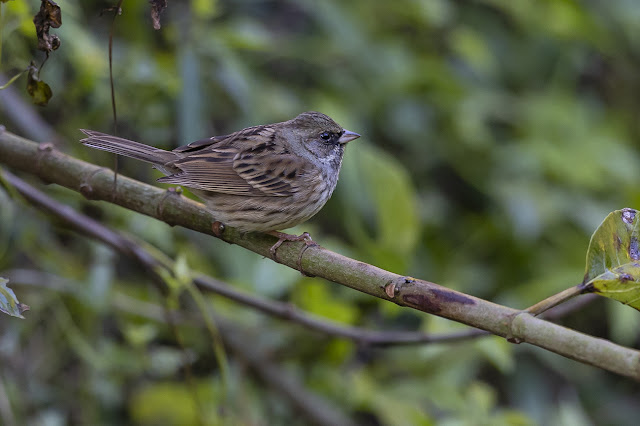 |
| Black-faced Bunting |
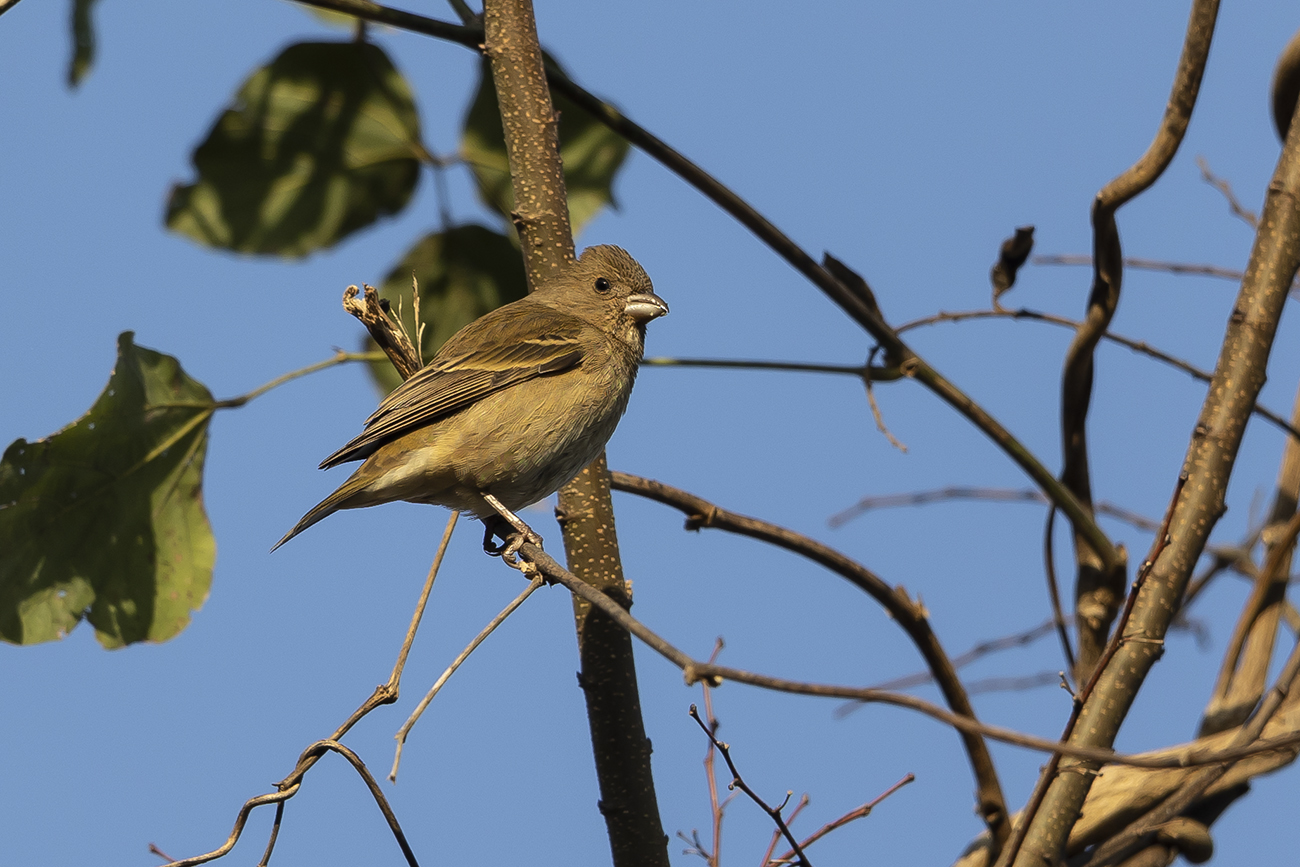
Common Rosefinch is another Wu Kau Tang specialty, there's been several flocks feeding along the main road, mostly females. One bird that I feel is less common this winter is the Black-winged Cuckooshrike, this one at Wu Kau Tang is the only one I've seen this past month.
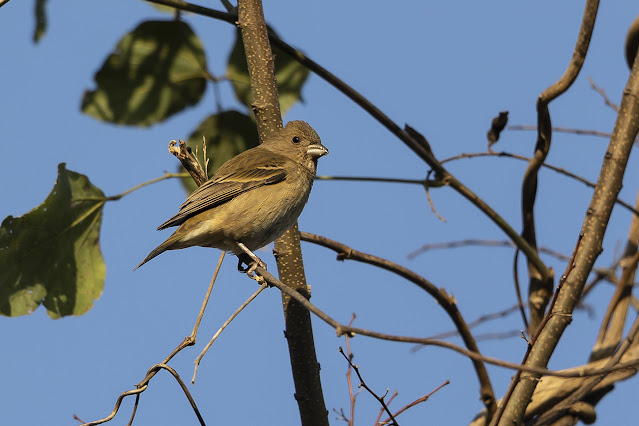 |
| Common Rosefinch - female |
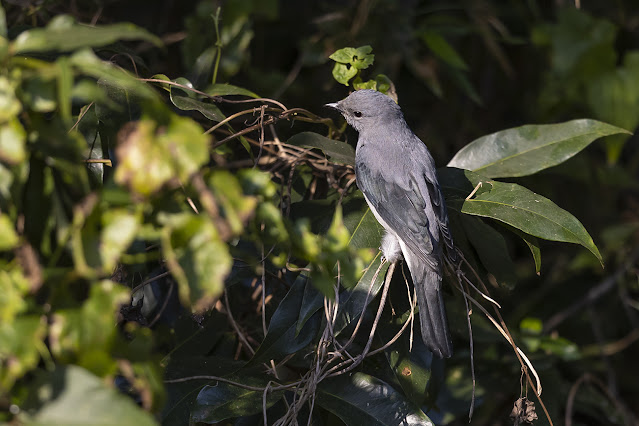 |
| Black-winged Cuckooshrike |
Over at Tai Po Kau, the best bird I found lately were a few Rufous-faced Warblers, these handsome warblers are always a joy to see but never fun to photograph. The warblers appeared alongside common residents such as Grey-chinned Minivets, Huet's Fulvettas and Silver-eared Mesias.
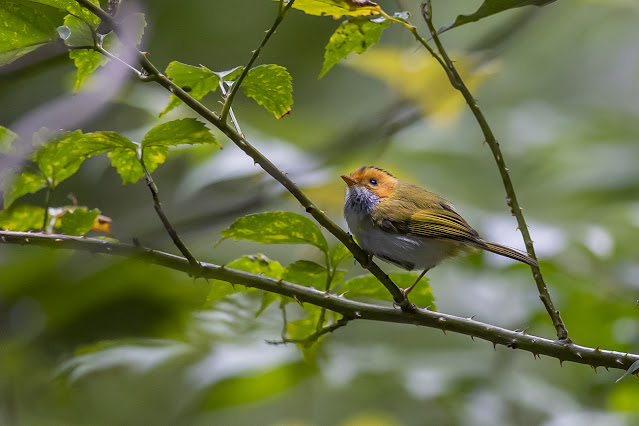 |
| Rufous-faced Warbler |
 |
| Grey-chinned Minivet - male |
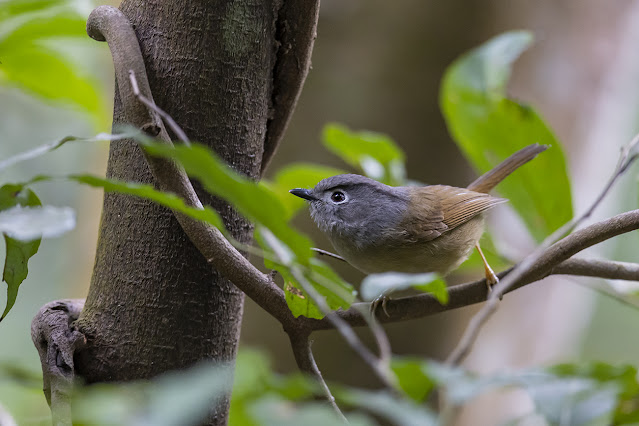 |
| Huet's Fulvetta |
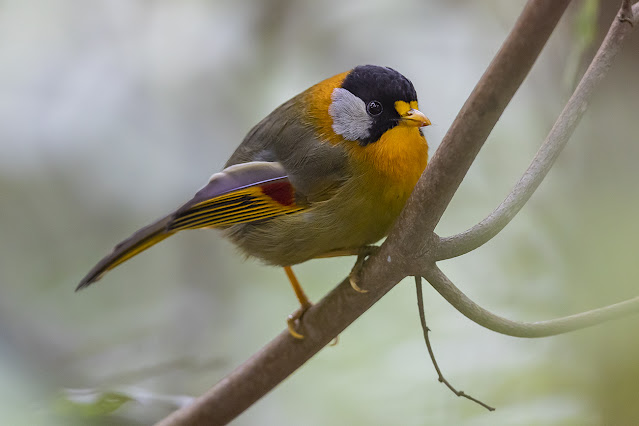 |
| Silver-eared Mesia |
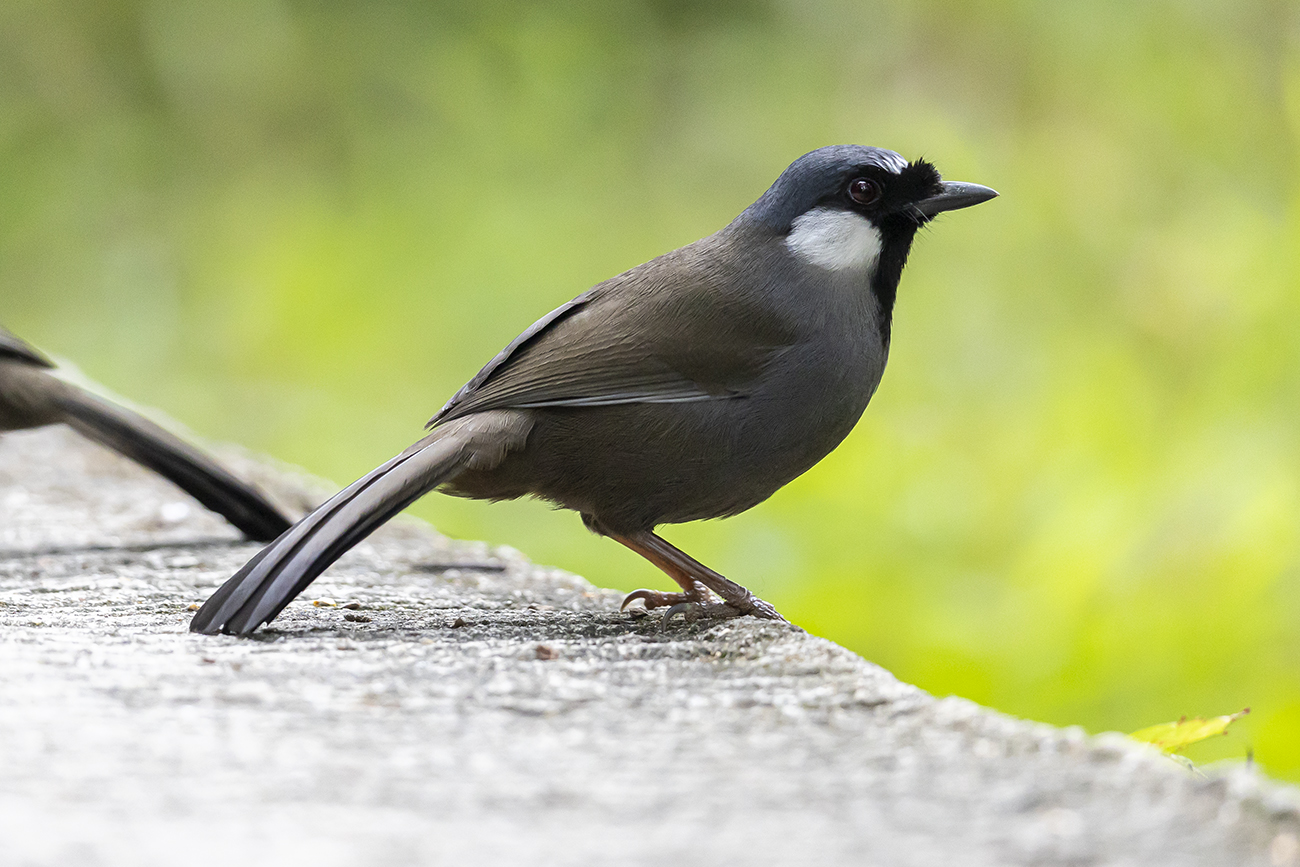
Black-throated Laughingthrush is a very common bird in Hong Kong, but I have yet to get any satisfying photos of the hainan race individuals, these dark-faced birds can often be found mixed in with the normal looking Laughingthrushes, I finally got lucky the other day and had a few coming in real close for a decent photo.
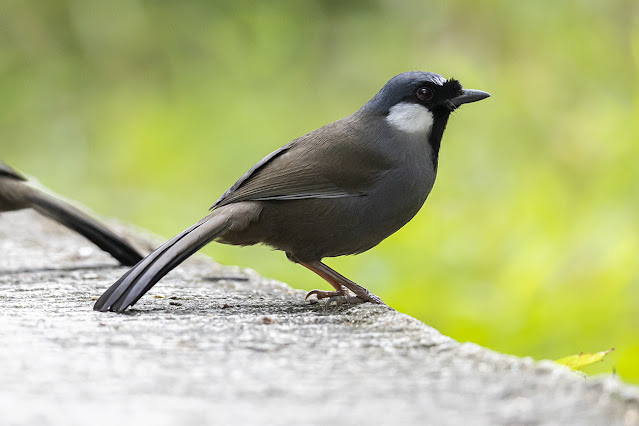 |
| Black-throated Laughingthrush |
 |
| Black-throated Laughingthrush - race monachus |
Mui Shue Hang Park remains to be a great location for brief visits during the day, the many thrushes provides endless photo opportunities, such as this incredibly confiding Grey-backed Thrush, and the very friendly Dusky Thrush.
 |
| Grey-backed Thrush - male |
 |
| Dusky Thrush |
Many Red-flanked Bluetails are wintering at the park, including this brilliant looking adult male, I usually see 1st or 2nd winter males, seeing an adult male is actually quite unusual in Hong Kong. Japanese Tits also come to the ground to forage along with other birds.
 |
| Red-flanked Bluetail - male |
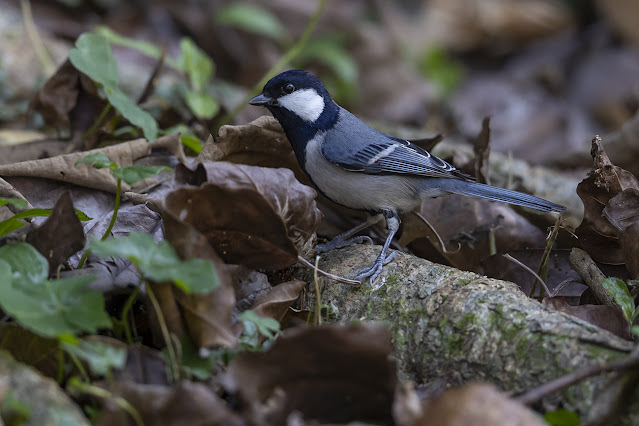 |
| Japanese Tit |
The male Ferruginous Duck been fairly stable at San Tin, often swimming along the Tufted Ducks. A female Verditer Flycatcher is somewhat of a surprising find here. White-throated Kingfishers are always worth a second look if seen up close, their beautiful colours are surely mesmerising for anyone care to take the time to appreciate their beauty.
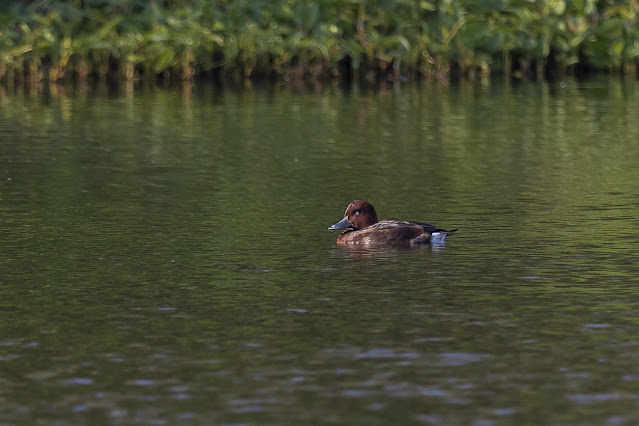 |
| Ferruginous Duck - male |
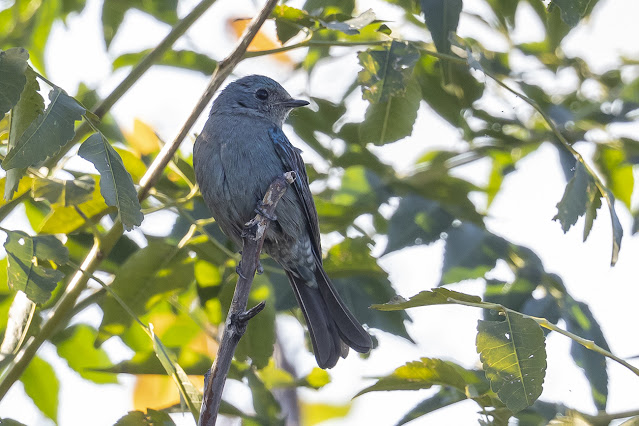 |
| Verditer Flycatcher - female |
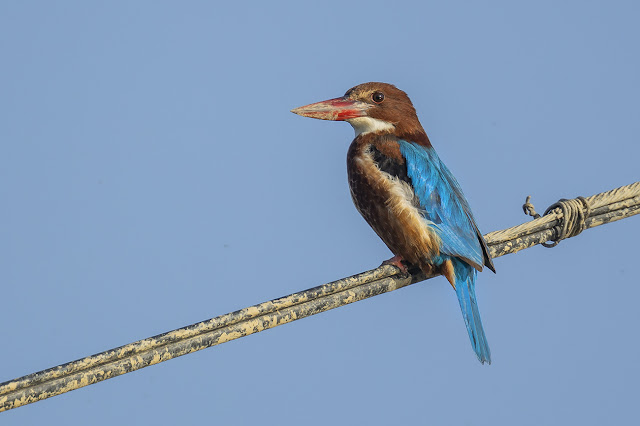 |
| White-throated Kingfisher |
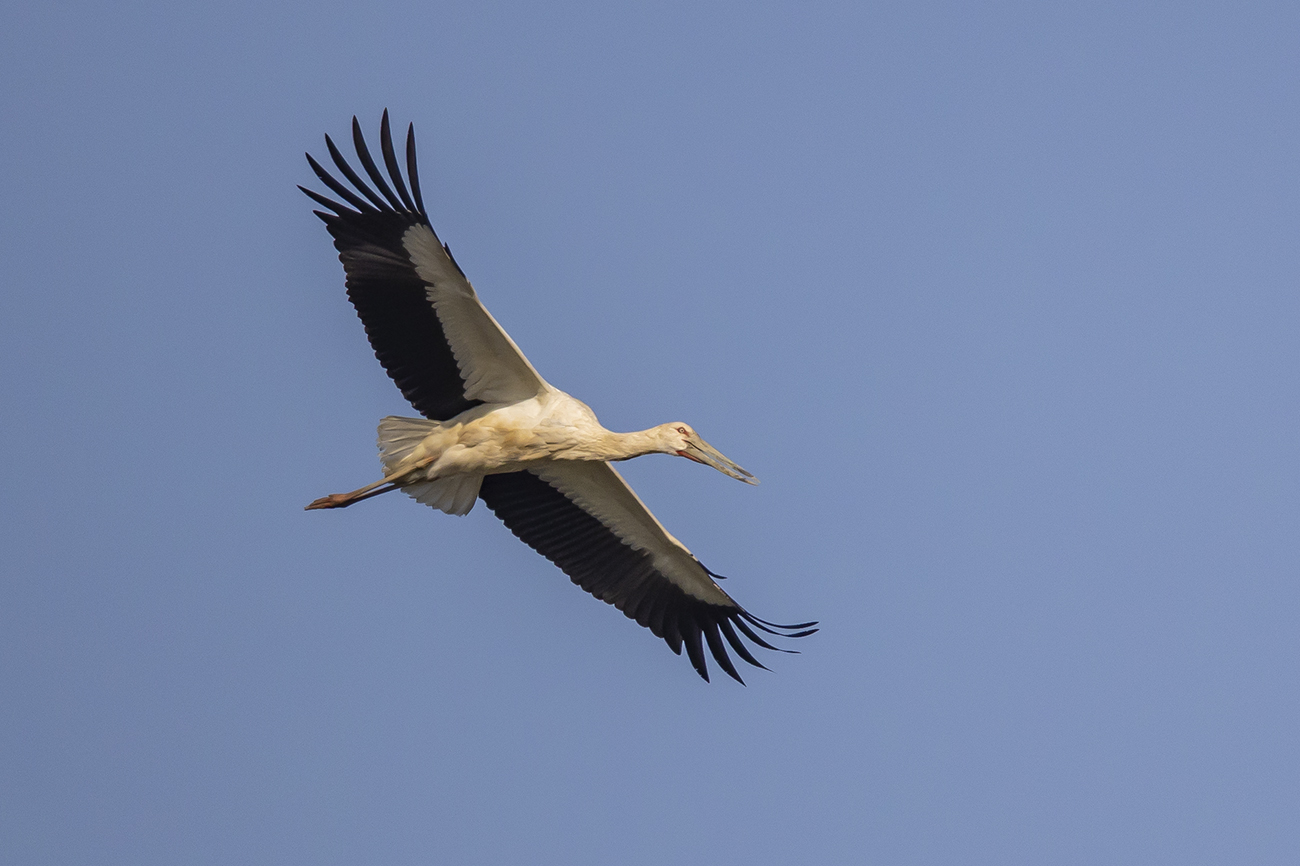
The best birds at San Tin for me however is perhaps the Oriental White Storks, they have been going back and forth between Mai Po and the MTR Wetlands at Lok Ma Chau. Although access is unavailable to the public, you can see the storks through the fence if you are lucky, but nothing quite beat seeing 11 of these majestic birds soaring up close above your heads.
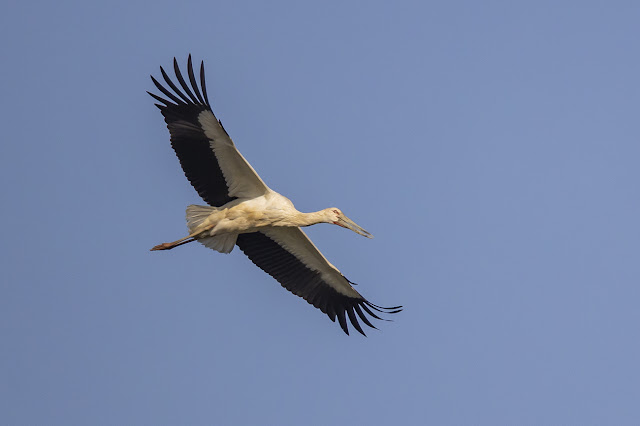 |
| Oriental Stork |