
Manchurian Reed Warbler - top bird so far this autumn
Migrants continues to roll in through early October, with a few more interesting birds seen at various places. Long Valley had been a little bit on the quieter side at the moment, or at least for me. Other than the few "Swin-tailed" Snipes and Greater Painted Snipes which I flushed, more stationary birds included a few confiding Common Snipes and a single Red-necked Phalarope which had been here since the typhoon.

Common Snipe

Red-necked Phalarope
Zitting Cisticolas are now quite numerous, I flushed up to six birds in one patch of tall grass. While pipits numbers were still slightly under my expectation, with juts a handful of Richard's Pipits and Red-throated Pipits. The lack of any buntings on my last visit was slightly alarming...hopefully a few will return very soon!

Zitting Cisticola

Red-throated Pipit
San Tin on the other hand had been fairly productive, this includes some of the highest counts of Red-collared Doves I've seen in years, up to fifty plus birds. A few of which provided good views from the comfort of the car...

Red-collared Dove
The drainage ditch just outside the fishpond area had also been busy with birds, mostly Black-winged Stilts, but also a good range of waders, including Wood Sandpipers, Green Sandpipers, Common Snipes and Common Greenshanks. There's also been a few Eurasian Teals around.

San Tin drainage ditch full of birds

Common Greenshank
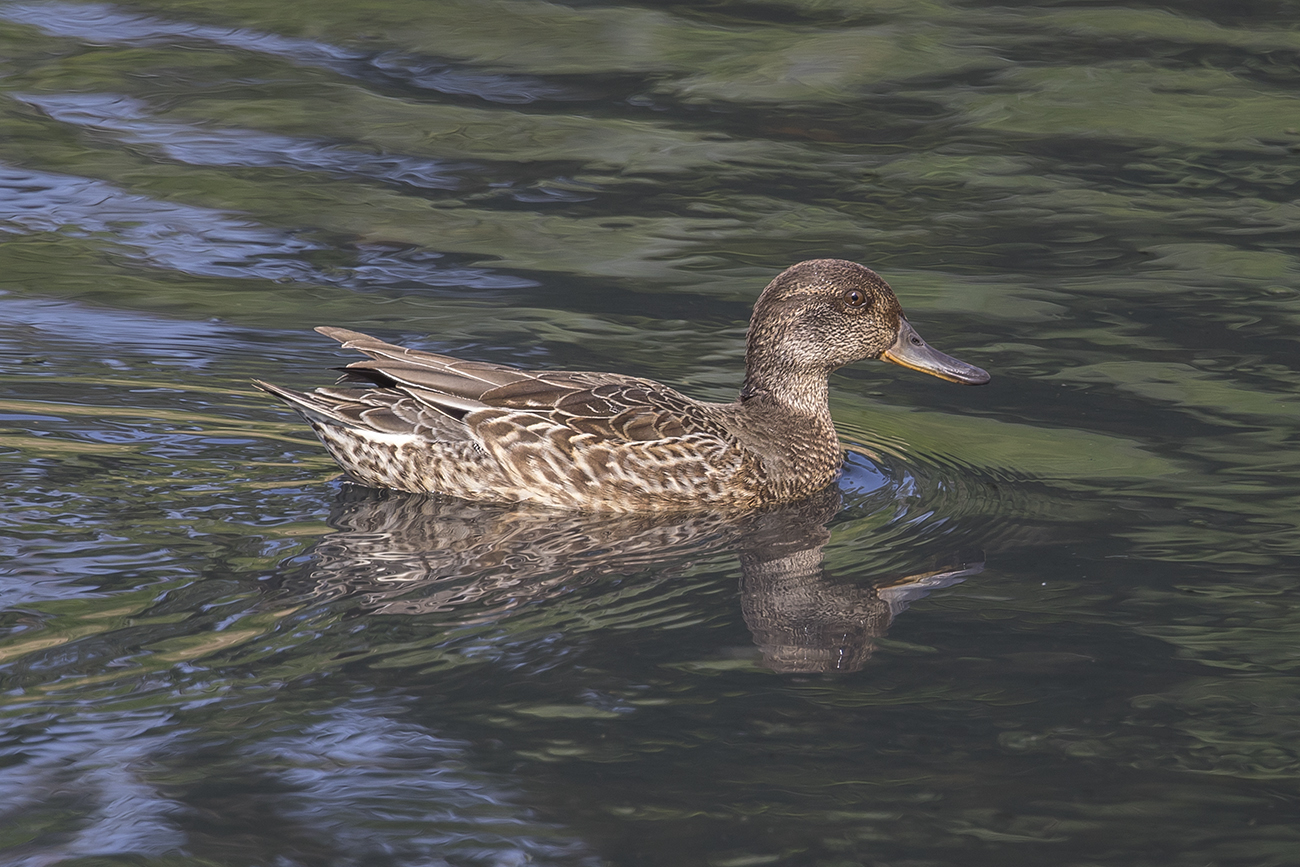
Eurasian Teal
Inside the fishponds area, the long staying Common Pochard had been showing on and off, it can be tricky to pin down on somedays, moving from pond to pond. I saw it at a distance the other day against the light, I wanted to move to the other side of the pond to get some better photos, only that the bird managed to vanished without me noticing...

Common Pochard
Yellow Bitterns had also been seen, although not providing the best of views...while a pair of Whiskered Tern; an adult and a juvenile had stayed on, I caught them resting on a wire the other day, rather than circling the fishponds as they often do.

Yellow Bittern


Whiskered Tern - adult & juvenile
A single Little Bunting at San Tin was not exactly an exciting find, but after a long absent during the summer months it is a welcoming sight to behold, it's also a nice thought that we will probably get to see these lovely birds quite often in the upcoming few months. This particular bird perched next to the road allowed me to get a very close look, the car worked perfectly as a bird hide.

Little Bunting
I visited Mai Po for the first time since the typhoon this week. The typhoon left a few marks in the reserve, including a few broken bird hides, fallen trees and broken footpaths, but otherwise it was business as usual. Things started off fairly slowly for me, with a few confiding Asian Brown Flycatchers. I also spotted a female Black-naped Monarch but couldn't manage a photo.

Asian Brown Flycatcher
Purple Herons are always nice to see, this species have a fairly restricted distribution in Hong Kong, with most records around Deep Bay area. Mai Po is likely the easiest place to find them.

Purple Heron
I was a little late for the tide, but most of the waders roosted at pond 16/17 during the high tide. Black-tailed Godwits were amongst some of the most numerous. Although there were a few Bar-tailed Godwits around. Other waders present were Common Greenshanks, Marsh Sandpipers, Common Redshanks, Eurasian Curlews, Whimbrels, Dunlins and Kentish Plovers.

Black-tailed Godwit

Bar-tailed Godwit

Common Greenshank
A few Eurasian Wigeons were also present, they are probably quite recent arrivals. Here is a photo of an eclipse male and a female. I also spotted a single Cinnamon Bittern which flew past the bird hide but was too quick for me to grab a shot.


Eurasian Wigeon
I flushed a Lanceolated Warbler from the side of the footpath, they are notoriously difficult to see well, but this one perched still enough for me to grab a record shot.

Lanceolated Warbler - a world-class skulker...
Along the access footpath past the AFCD warden's post, I noticed a few Buntings feeding on the ground on the opposite side of the channel, they were flushed and flew up to the trees next to the footpath. A closer look confirmed them to be Yellow-browed Buntings, a fairly uncommon species in Hong Kong.


Yellow-browed Bunting - a very pleasant surprise!
Although the top bird at Mai Po was no doubt the Manchurian Reed Warbler found by David Diskin. This vulnerable species is a rare passage migrant in Hong Kong, where they breed around Heilongjiang and Russia, wintering in Cambodia and Thailand. As with all reed warblers they can be tricky to see, but this individual was more than happy enough to feed out in the open, allowing very decent views.


Manchurian Reed Warbler - putting on first class performance!
They look superficially similar to the far more common Black-browed Reed Warblers, but a side by side comparison reveals quite a different looking brow arrangement, where the Black-browed Reed Warbler have a much thicker and stronger black brow above it's supercilium, Manchurian Reed Warbler's eyebrow is much weaker. They also have a more uniformly coloured tail, where Black-browed Reed Warblers show a darker tail with pale edge.

Black-browed Reed Warbler

Manchurian Reed Warbler
I've continued with a bit of herping here and there, was very pleased to found a few Chinese Water Dragons near home, although they are said to be an introduced species in Hong Kong, they are impressive looking reptiles. They have been breeding in Hong Kong for some years now, whether they have an impact on the local ecosystem is unknown, but they are certainly interesting to look at.


Chinese Water Dragon
While at Tai Mo Shan, I was rewarded with a few interesting species by searching along streams, including a very cooperative Chinese Waterside Skink. A young Chinese Bullfrog was likely part of a religious released population, although it looked pretty healthy. A few Giant Spiny Frogs were a great sight to behold as always, they are very impressive when seen up close and you understand why they are called 'giants'...

Chinese Waterside Skink

Chinese Bullfrog

Giant Spiny Frog
Finally, while waiting for Hoiling to finish her class one evening last week, I strolled around Lung Fu Shan and came across yet another Bamboo Pit Viper. This one was not particularly friendly, and me removing it from the footpath probably provoked it even more...After placing it on a branch nearby I took a few photos and left it in peace.

Bamboo Pit Viper


