|
Pheasant-tailed Jacana
|
Not been particularly lucky with any interesting migrants, the long staying Pheasant-tailed Jacana was a nice bird to see as always, with some patience it often came out into the open to feed, mainly on small water snails. Pheasant-tailed Jacana is a regular migrant in Hong Kong, historically we were probably part of the breeding range, although they probably stopped breeding here since we don't have any suitable breeding habitats for them anymore.
 |
Pheasant-tailed Jacana
|
Other remotely interesting birds present at Long Valley includes a Yellow Bittern, hunting for small fish and tadpoles in a well vegetated pond. Red-throated Pipits are now arriving, with a few seen trotting around the fields. Red-rumped Swallows been passing through and often seen at Long Valley. Common Snipe numbers have also increased in recent weeks.
 |
Yellow Bittern
|
 |
Red-throated Pipit
|
 |
| Red-rumped Swallow |
 |
Common Snipe
|
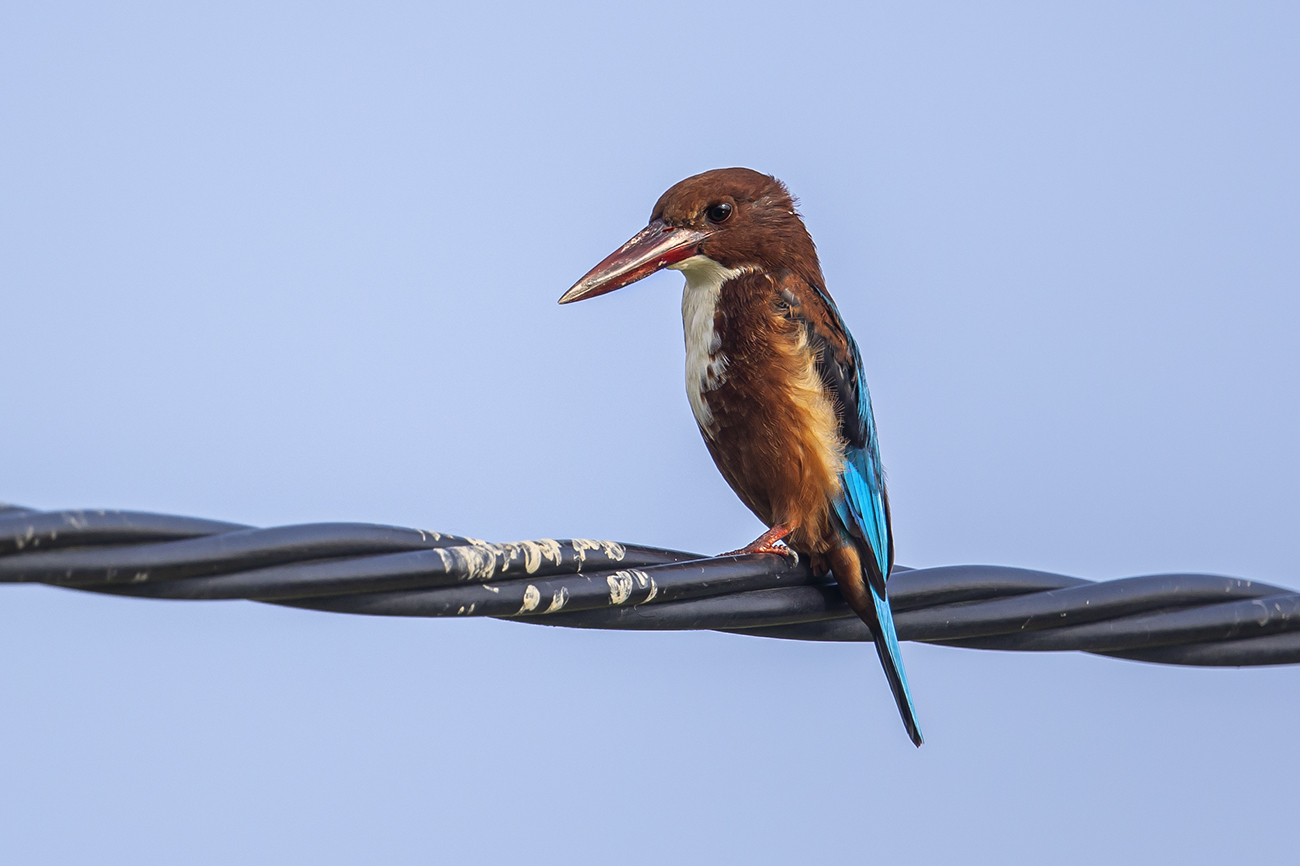
The usual cast of common species such as Black-winged Stilts, White-throated Kingfishers, Black Drongos and Long-tailed Shrike makes birding around Long Valley a joy, most of them allow close views and the afternoon or early morning sunlight makes for perfect photography opportunities.
 |
Black-winged Stilt
|
 |
White-throated Kingfisher
|
 |
Black Drongo
|
 |
Long-tailed Shrike
|
No visit to Long Valley at this time of the year will be completed without seeing the hundreds of Munias, White-rumped Munias are the predominant species of local Munias, they are often very photogenic. Recently, numerous White-headed and Chestnut Munias mixed into the flocks, these are probably individuals from mercy release which have found their way to Long Valley, whether they will start breeding remains to be seen...
 |
White-rumped Munia
|
 |
White-headed Munia
|
 |
Chestnut Munia
|
I tried Tai Lam a few times but couldn't find anything really good, although a few Dark-sided Flycatchers were nice to see. There were also lots of Eastern Crowned Warblers, but none of them photographable.
 |
Dark-sided Flycatcher
|
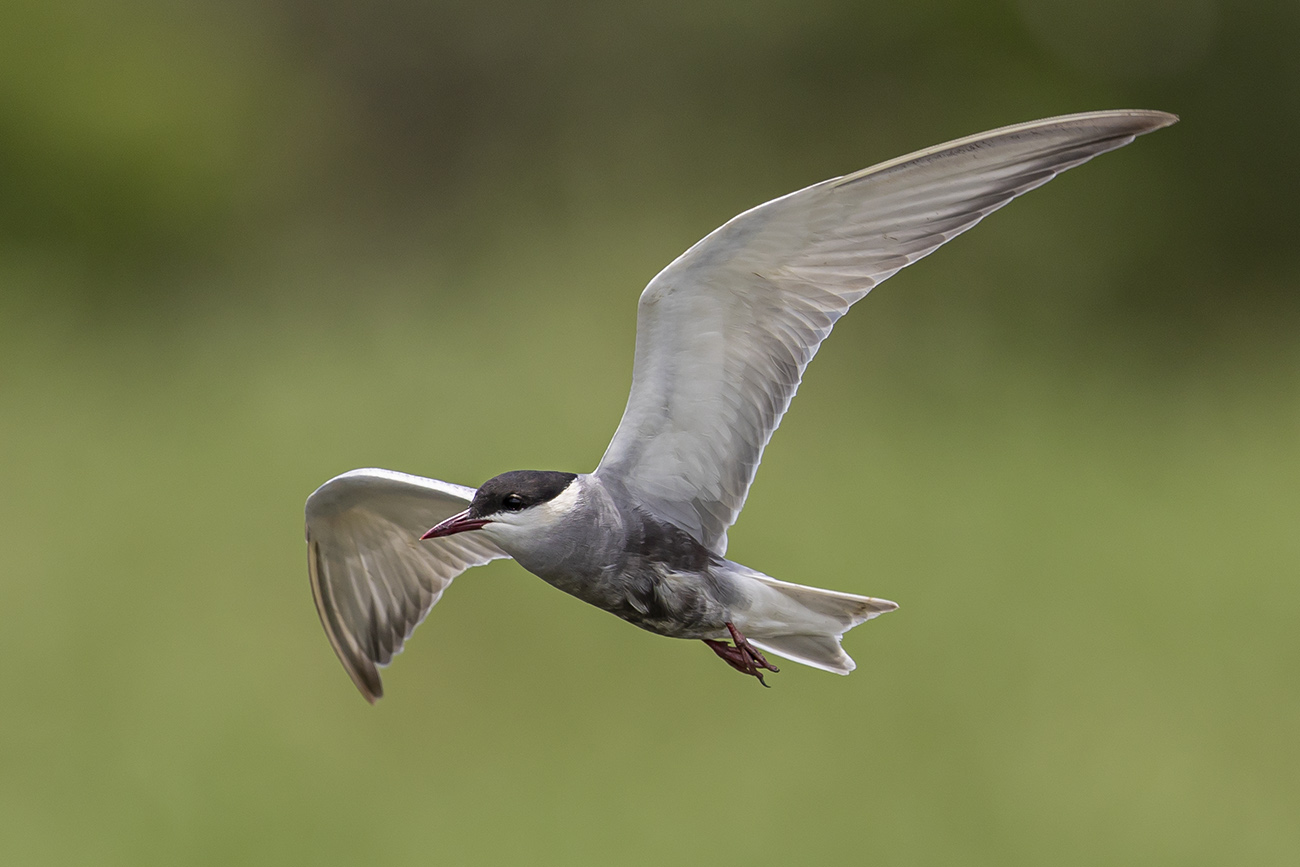
San Tin had been fairly good, although I couldn't find anything rare, a newly arrived Little Bunting was a good reminder that Bunting season is soon to be upon us! While numerous Whiskered Terns provided endless target practice for BIF shots, of which I must yet again praise the EOS R6 for its animal tracking ability, which works great for birds inflight! Whereas I might get just 30-40% hit rate in the past, the EOS R6 will be in focus 80% of the time!
 |
Little Bunting
|
 |
Whiskered Tern
|
The lack of forest birds at my local patch was compensated with a range of waders, including Grey-tailed Tattler, Eurasian Curlew, Red-necked Stint and numerous Plovers. Kentish Plovers were the smallest of the bunch, feeding on the pebble beach.
 |
Kentish Plover
|
There were also a few Greater Sand Plovers, even in non-breeding plumage you can easily tell them apart by their heavy bill and bulkier body. The late afternoon light was perfect for photography. These plovers are usually very tolerable to people moving around them, as dozens of families were playing along the pebble beach, mostly oblivious to these wonderful birds sitting right next to them.
 |
Greater Sand Plover
|
A juvenile 'Tibetan' Lesser Sand Plover was amongst one of the friendliest in the bunch, as long as I stayed still enough at one spot, it readily walks towards me as it forages along the pebble beach. A delightful way to spend an afternoon!
 |
Lesser Sand Plover
|