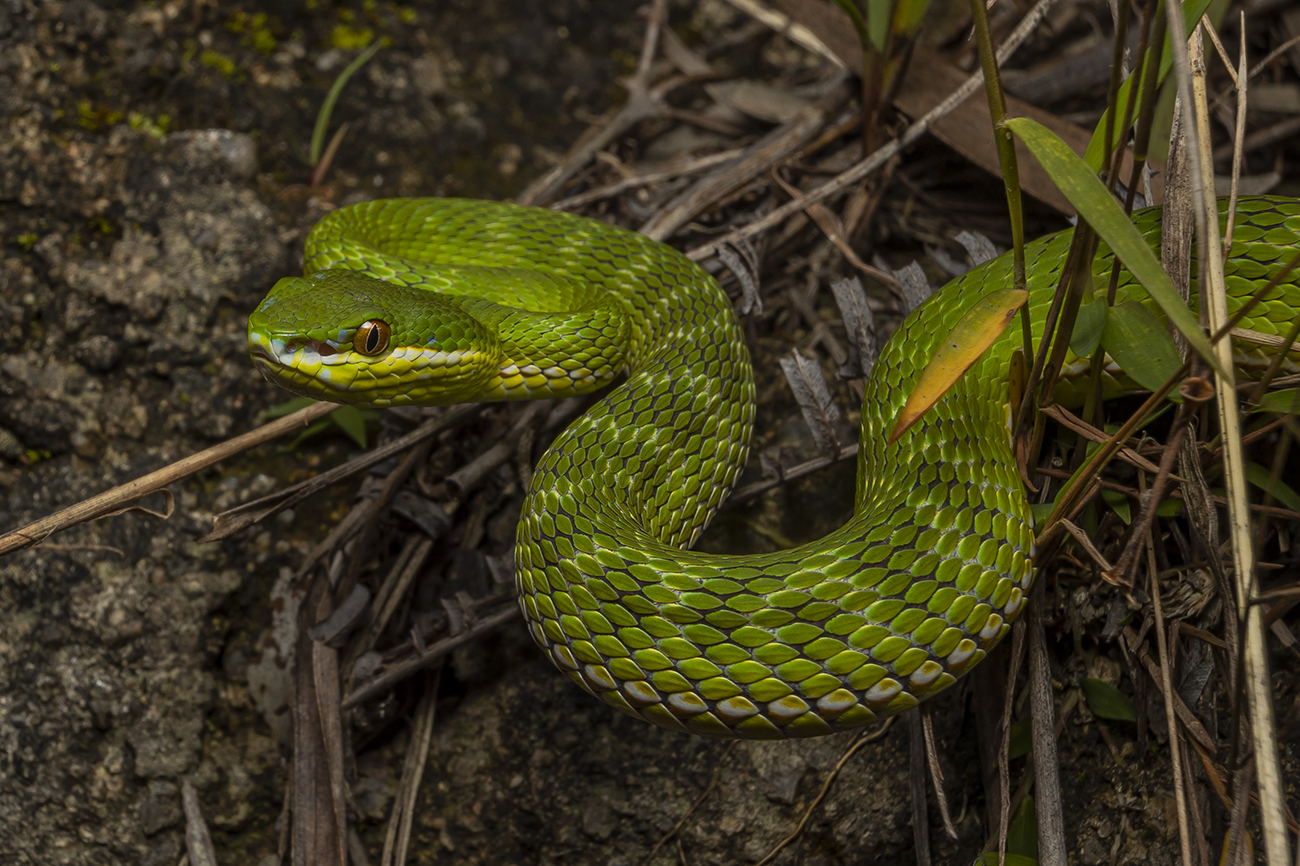
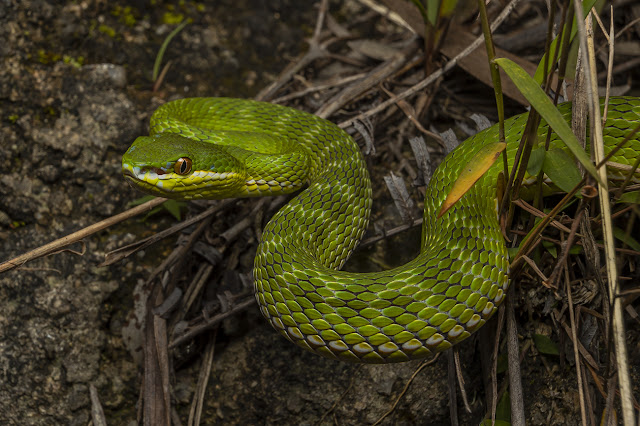
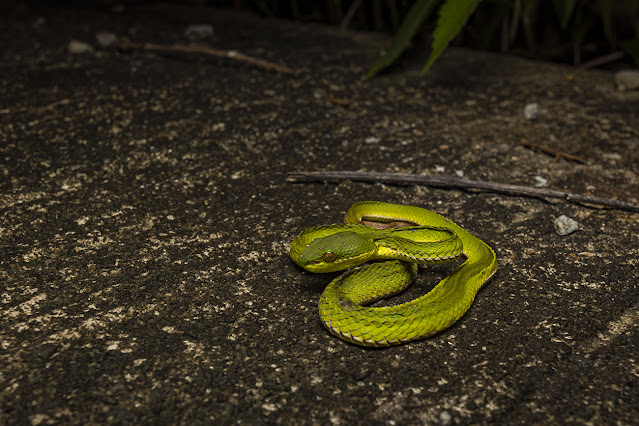
June is not a great time for birding in Hong Kong, this is a fact! There are just not that many interesting birds around, and it is just too hot during the day to be productive. This is however one of the best time to engage in night walks, where many animals and insects are now extremely active. Within a week I saw no less than 12 different Bamboo Pit Vipers at various locations, the hot weather really brings them out into the open, this included a not so healthy looking juvenile, which looked very weak, my guess is that it will be picked off by an owl or a bird sooner or later...I encountered 3 Burmese Pythons in the same week, two of which were 3m long! Only the smaller one stayed still enough for a photo, not a great photo but still an exciting snake to see every time!
 |
| Bamboo Pit Viper - fiesty one! |
 |
| Bamboo Pit Viper - an unhealthy looking juvenile |
 |
| Bamboo Pit Viper - classic 'S' pose |
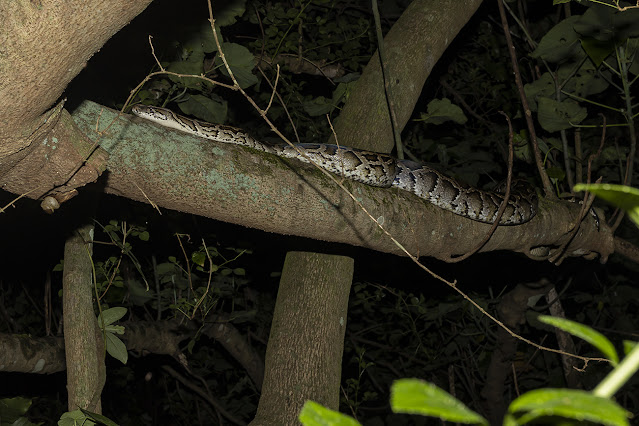 |
| Burmese Python |
Greater Green Snakes are always fun to find, and no doubt one of my favourite species in Hong Kong, they are very docile and extremely pretty, we found one during our night walk and was able to show our friends what gentle creatures they really are. The other extremely docile species is the White-spotted Slug Snake, also a joy to see every time.
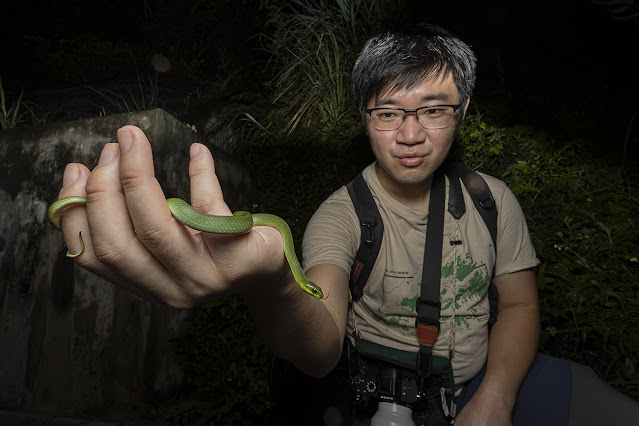 |
| Greater Green Snake - friendly snake with friends! |
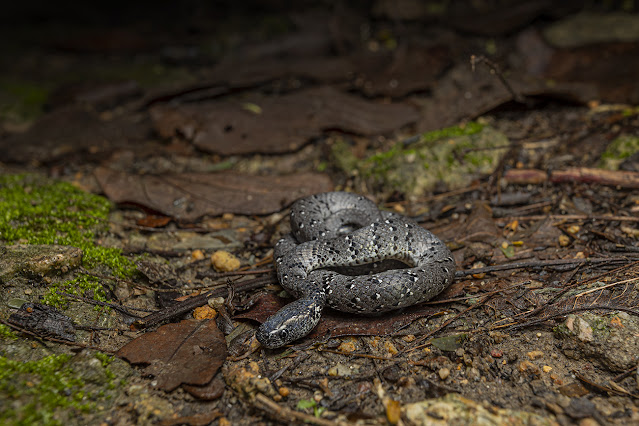 |
| White-spotted Slug Snake - extremely docile species |
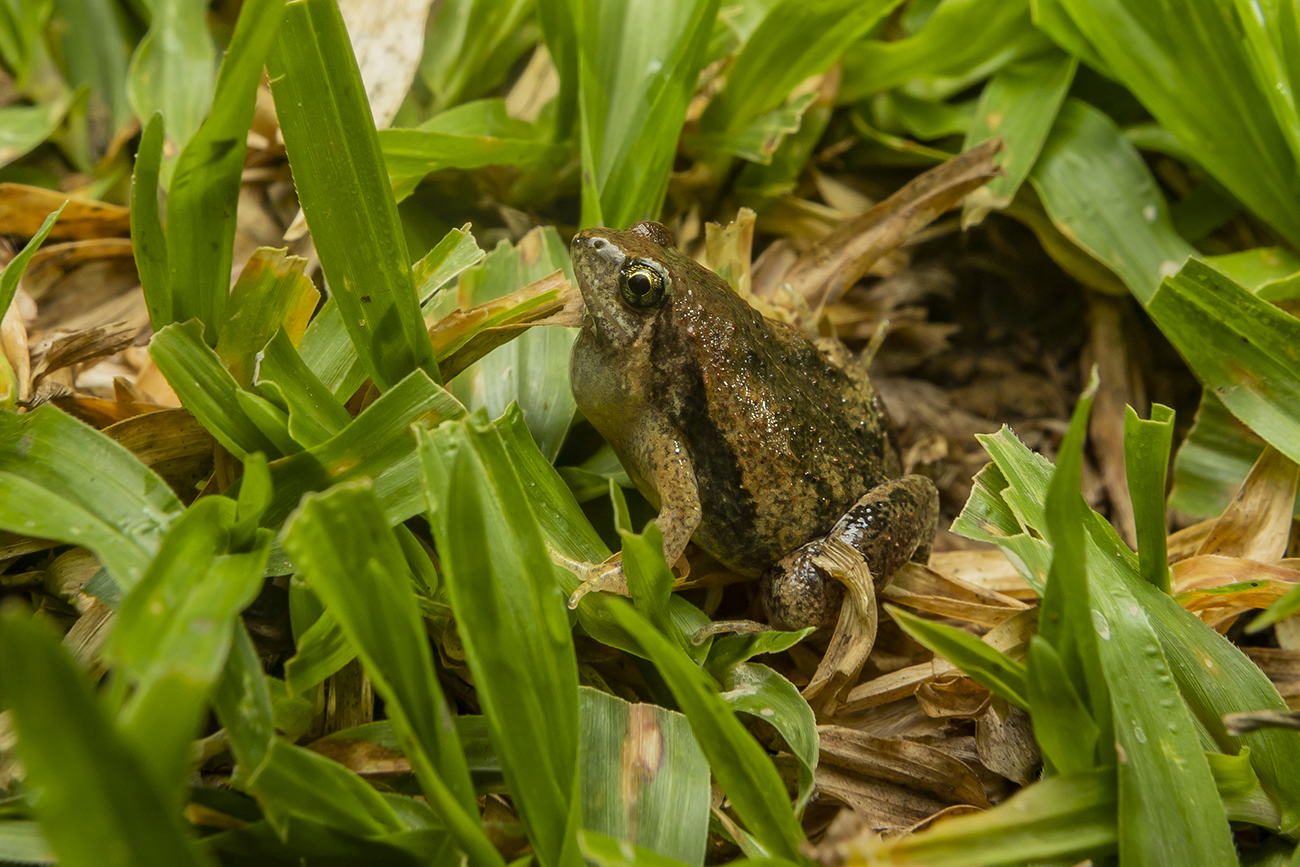
Looking for frogs along the streams can be very rewarding, even the common species are extremely fun to watch. The Short-legged Horned Toad is fairly common in certain streams and are full of character, this near endemic species is listed as Endangered due to its limited distribution. The Asian Common Toad is by far our most common species of true toad in Hong Kong, but can come in a huge variety of colour variation. Green Cascade Frogs are almost always found near streams, really are a very pretty species. Whereas the Brown Tree Frog, aka the Hong Kong Whipping Frog can usually be found a bit further away from streams.
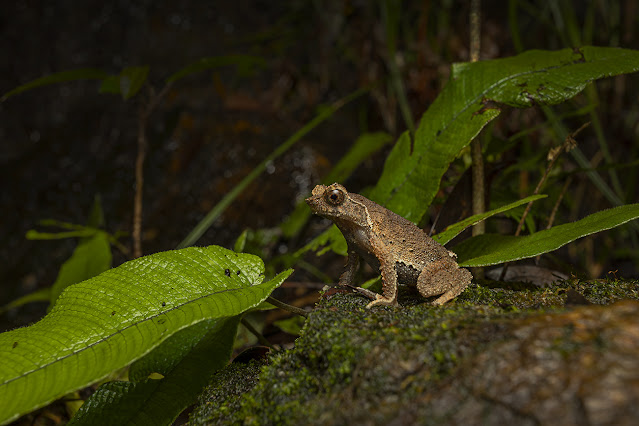 |
| Short-legged Horned Toad |
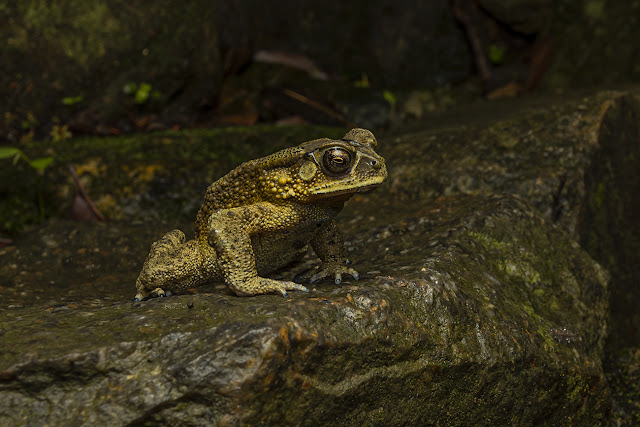 |
| Asian Common Toad |
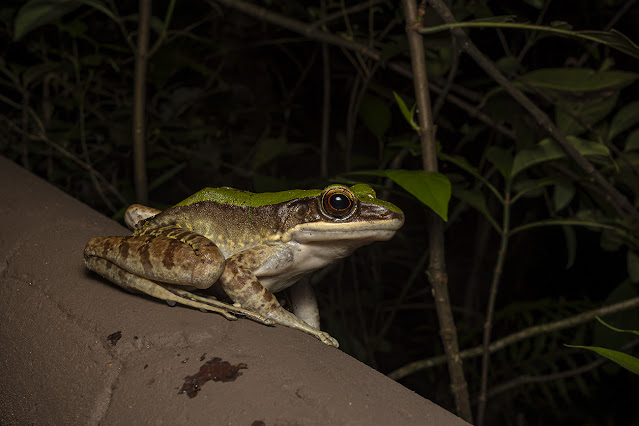 |
| Green Cascade Frog |
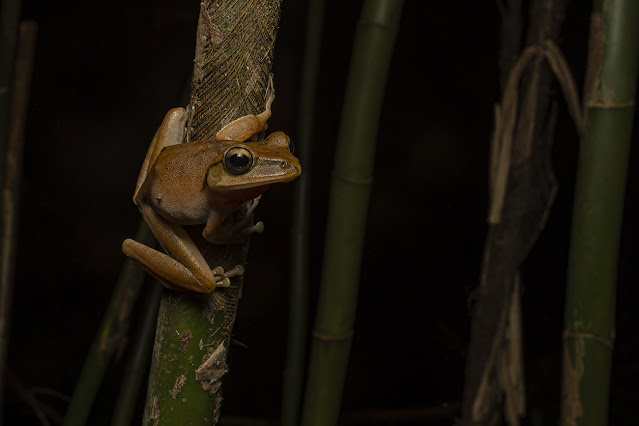 |
| Brown Tree Frog |
There are other species of frogs that inhabits freshwater wetlands, such as the Chinese Bull Frog, a species that is threatened locally through mercy release of cultivated variant that may pollute the local gene pool. The Ornate Pygmy Frog is a tiny species that grows no bigger than the tip of my thumb, also a species mostly found in wetlands. The Fejervarya multistriata, more commonly known locally as the Paddy Frog, is a common species that taxonomy is still not fully resolved, they are found almost anywhere near still water. The Asiatic Painted Frog is a very common species in Hong Kong, more often heard than seen, their loud 'mooing' calls usually heard after heavy rain.
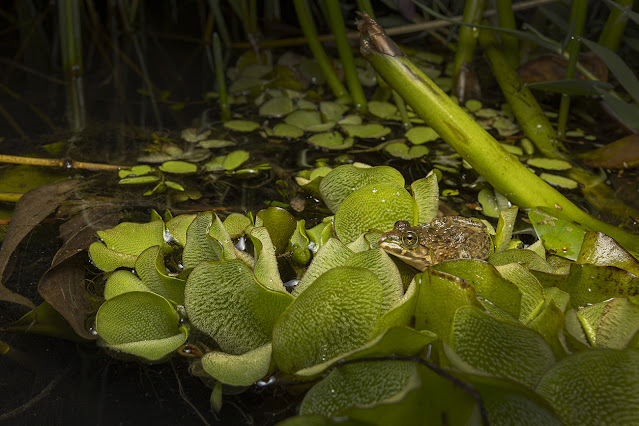 |
| Chinese Bull Frog |
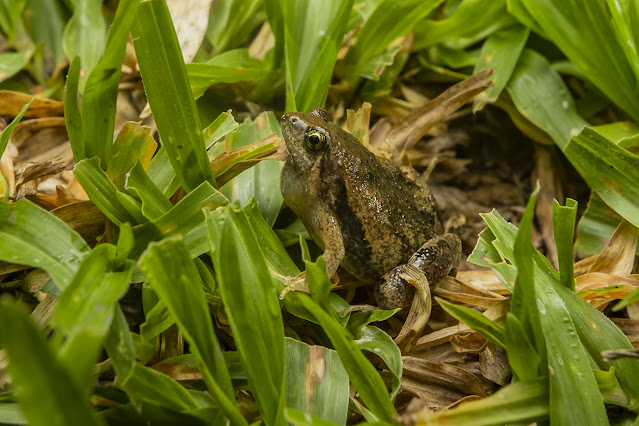 |
| Ornate Pygmy Frog |
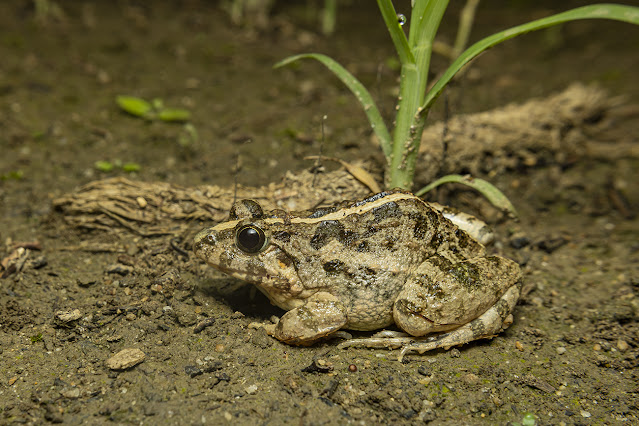 |
| Paddy Frog |
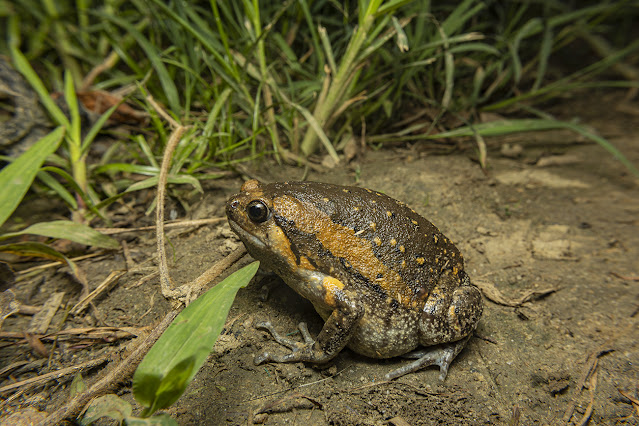 |
| Asiatic Painted Frog |
Moths are another group of interesting nocturnal insects that we adore. One of the more interesting species we encountered lately was a Bee Robber, also known as the Greater Death's Head Hawkmoth, they can produce a pheromone that mimics a queen bee that allows them to go right into a beehive without being stung. Other hawkmoths we saw include the White-edged Hunter Hawkmoth, and Yam Hawkmoth, both fairly common species that are fabulous looking nonetheless.
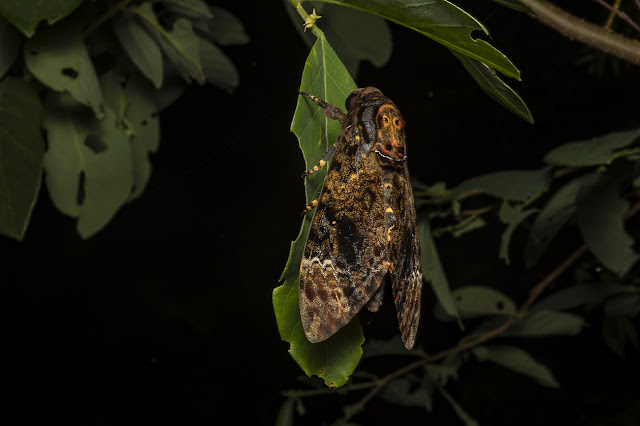 |
| Bee Robber - Acherontia lachesis |
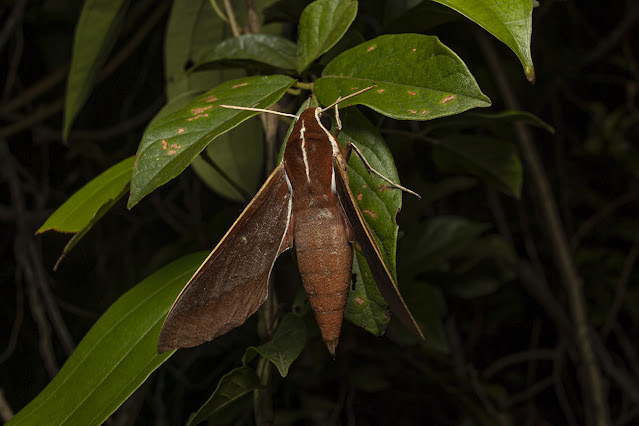 |
| White-edged Hunter Moth - Theretra pallicosta |
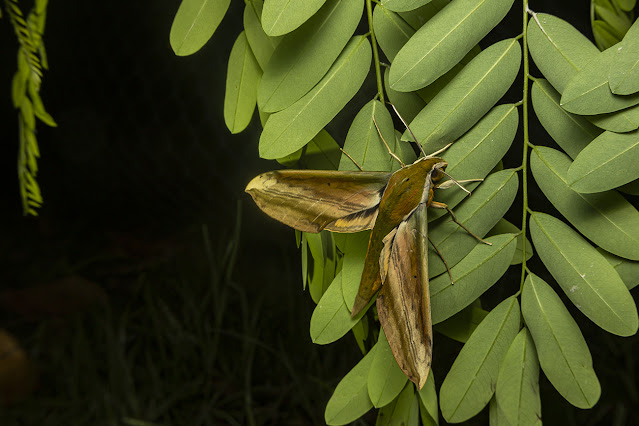 |
| Yam Hawkmoth - Theretra nessus |
Other common yet interesting looking species includes the Erebus ephesperis, an Erebidae moth with intricate patterns that mimics broken dried leaves. A fresh looking Agathia carissima are never boring to look at, with their bright green patterns. While the Gangarides puerariae is not a particularly common species, is likely another dead leaf mimic.
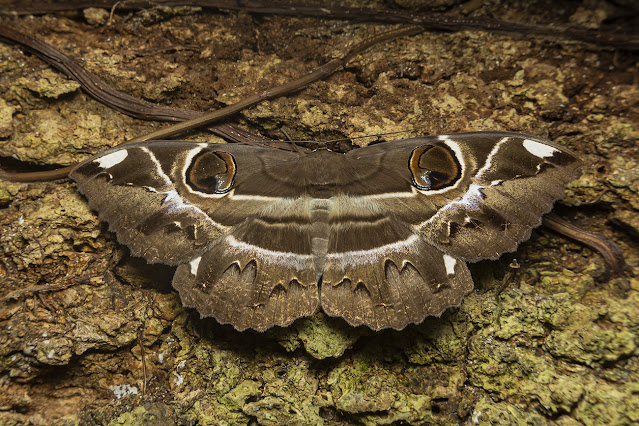 |
| Erebus ephesperis |
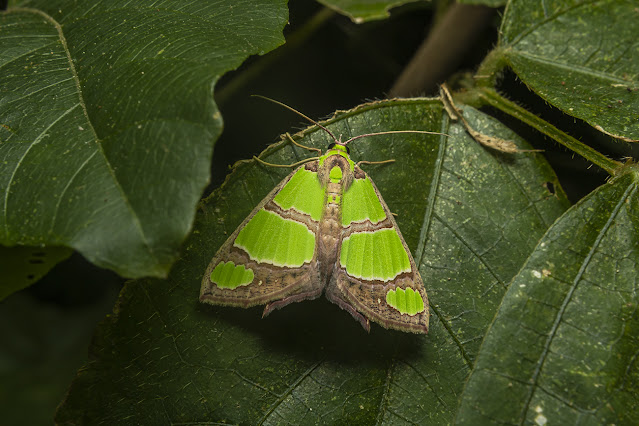 |
| Agathia carissima |
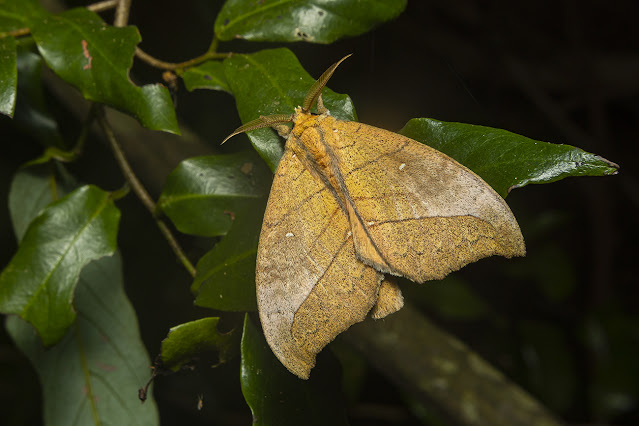 |
| Gangarides puerariae |
Larger moths such as the impressive looking Lyssa Zampa, or more commonly known as the Tropical Swallowtail Moth, are a common feature during night walks in Hong Kong. The most impressive looking moth we encountered lately were up to two Golden Moon Moths at two different locations, they are never boring to look at and as large as my palm.
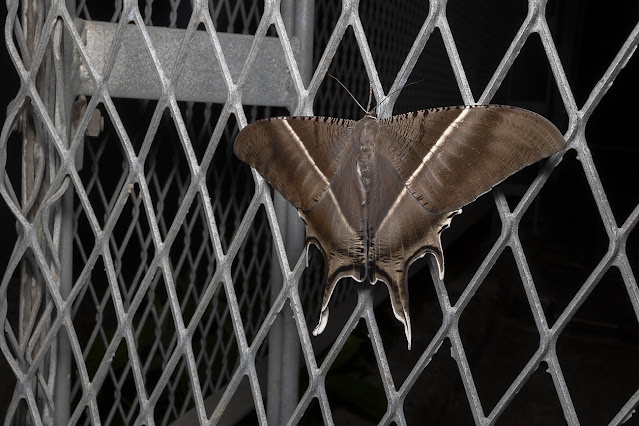 |
| Tropical Swallowtail Moth - Lyssa Zampa |
 |
| Golden Moon Moth - Actias sinensis |
Along the streams you can often find Nanhaipotamon hongkongense, also known as the Hong Kong Stream Crabs, a mainly nocturnal species that is most active at night, although I do see them crossing footpaths during the day as well. On wet days they can even be found much further away from streams.
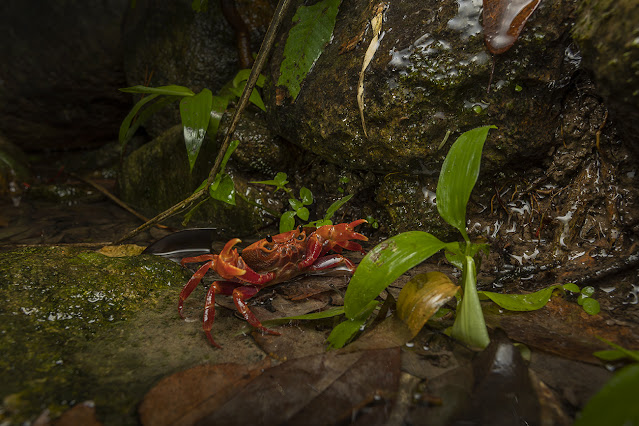 |
| Hong Kong Stream Crab - nanhaipotamon hongkongense |
There are some insects more commonly found in wetlands, such as Diplonychus rusticus, more commonly known as Water Bugs, June is one of the best time to find them, it is known that female lay eggs on the male's back and let them carry them around until they hatch. You more often find dragonflies emerging at night, where they will dry their wings through the cool night air to get ready to fly off at first light, this Globe Skimmer was found just emerging.
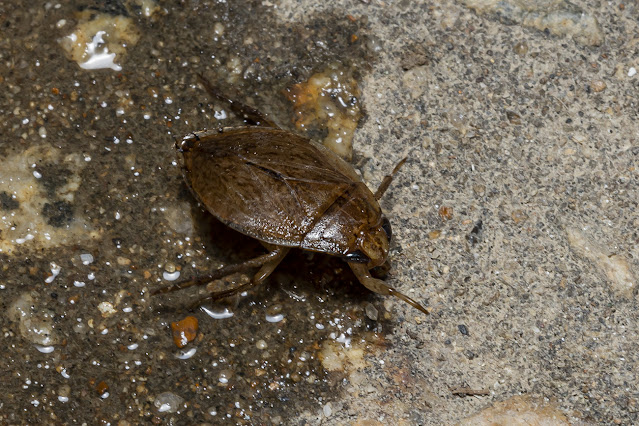 |
| Diplonychus rusticus - aka Water Bug |
 |
| Globe Skimmer |
Beetles can be very colourful and exciting, three fairly common species in Hong Kong includes the Protaetia orientalis aka Oriental Flower Chafer, the Euselates magna aka Cockchafer Beetle and the Sagra femorata aka Frog-legged Leaf Beetles. The Neolucanus sinicus is a Stag Beetle, although it doesn't have an impressive mandible as on other larger species, is still a nice beetle to find.
 |
| Protaetia orientalis |
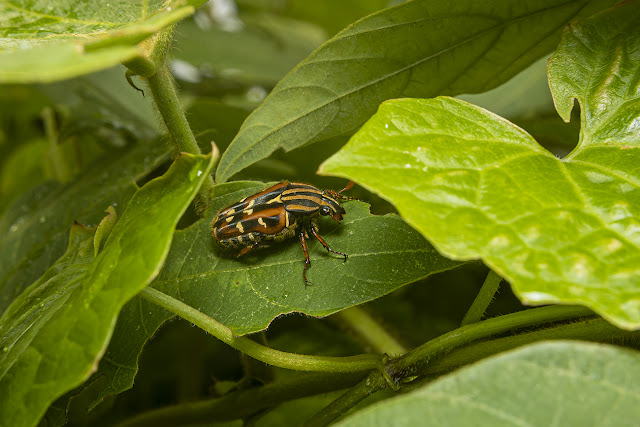 |
| Euselates magna |
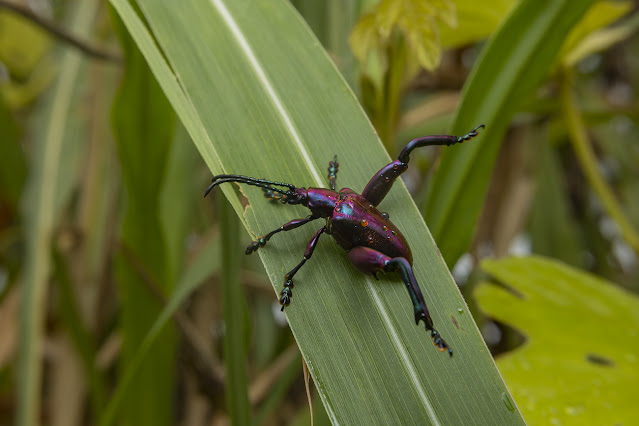 |
| Sagra femorata |
 |
| Neolucanus sinicus |
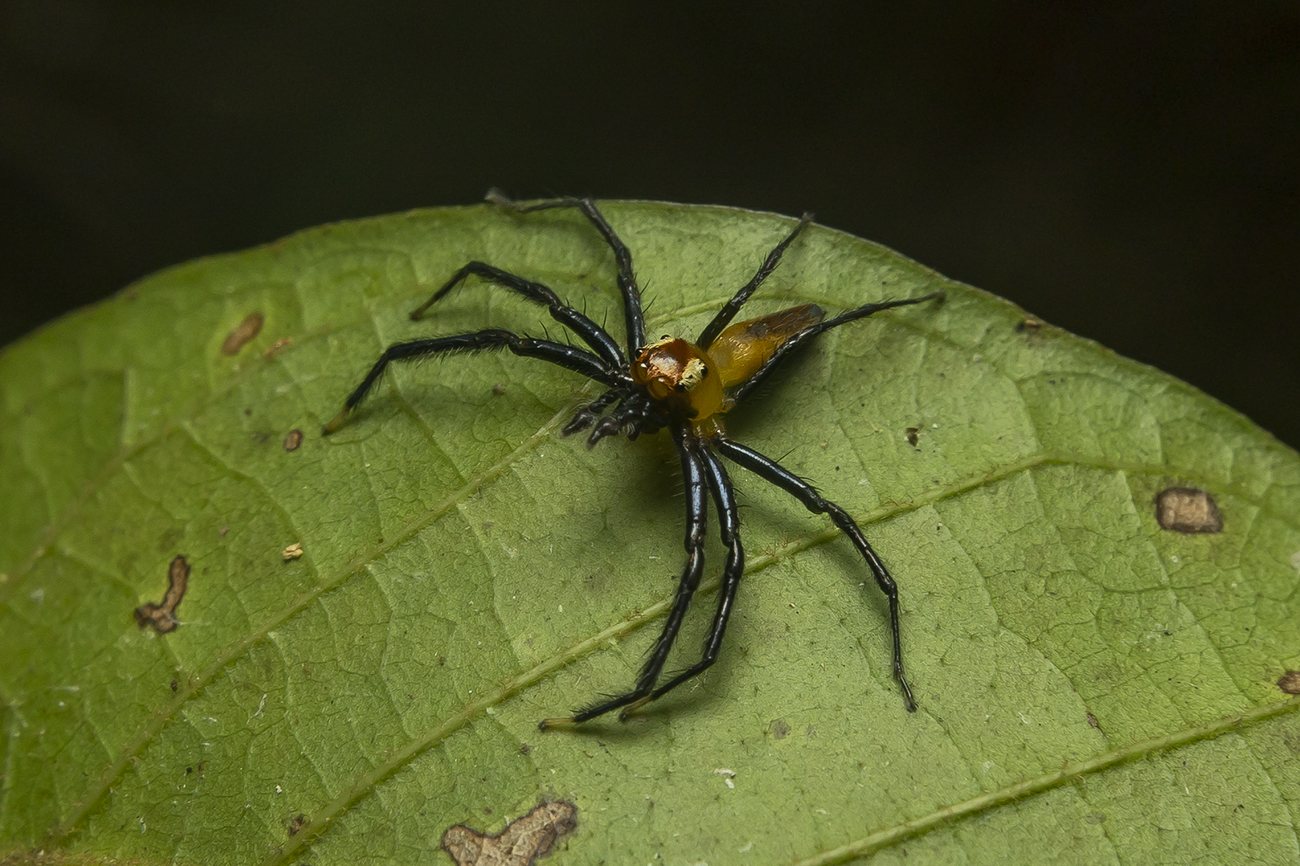
Two of the more interesting spiders I encountered including a Phlogiellus species, more commonly known as the Garden Tarantula, there are two known species in Hong Kong that cannot be separated without dissection. Epeus glorius is another spider that I really like, never boring to see this jumping spider!
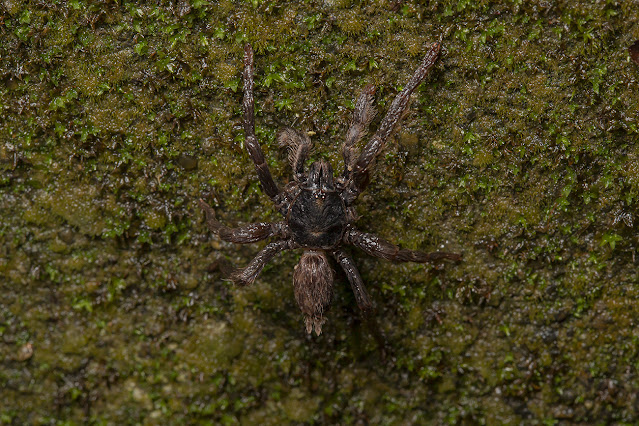 |
| Phlogiellus sp. |
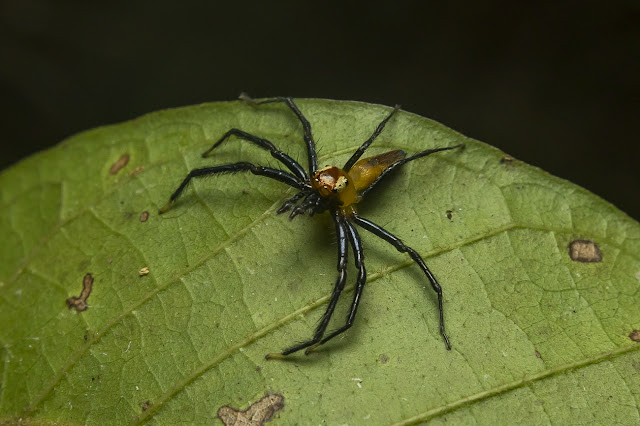 |
| Epeus glorius |
Finally, the only photographable large mammal I saw lately, a Red Mutjac. This one was found feeding on the side of the road, taken through a metal fence...Not much birds photographed lately, still hopeful that something interesting will turn up this summer.
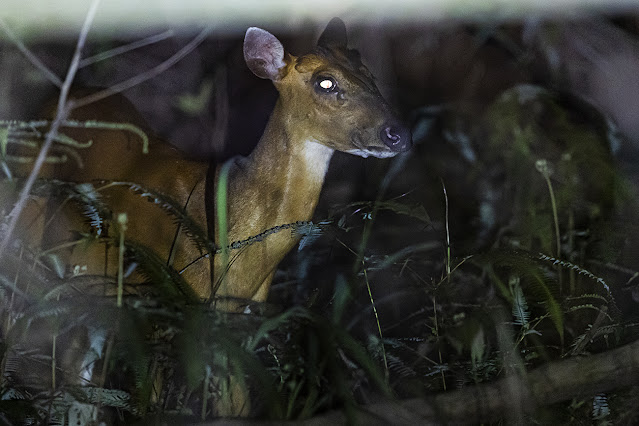 |
| Red Muntjac |