Spring migration have been fairly slow to start off with, but throughout the week we have been getting a few more interesting birds, although I missed the most interesting of all (the Owston's Flycatcher at KFBG...). Waders at Mai Po had been a little disappointing, at least during my visit. The best bird on scrape was no doubt a lovely looking Oriental Plover in breeding plumage, despite being quite far away from the hide it was still a nice bird to see. Oriental Pratincoles are also a key species of spring migrant which completes the 'springy' feel for birders in Hong Kong.
 |
| Oriental Plover |
 |
| Oriental Pratincole |
Intermediate Egrets are often very territorial and aggressive to each other during this time of the year and engages in epic aerial battles. Here, two of them fighting it out, jabbing at one another with their beak.

 |
| Intermediate Egret |
For some reason, there were no small waders around the mudflat or on scrape, I barely had any Red-necked Stints which should be abundant at this time of the year. It is always a good idea to scan for Far Eastern Curlews amongst the Eurasian Curlews at this time of the year, which rarely disappoints. Black-tailed Godwits and Common Redshanks were amongst the most numerous waders on the scrape.
 |
| Far Eastern Curlew |
 |
| Black-tailed Godwit |
 |
| Common Redshank |
Some Black-faced Spoonbills still remain, occasionally can be seen at very close range in front of the hide on the mudflat. Gull-billed Terns occasionally fly right in front of the hide as well, swooping down to snatch mudskippers off the mudflat.
 |
| Black-faced Spoonbill |
 |
| Gull-billed Tern |
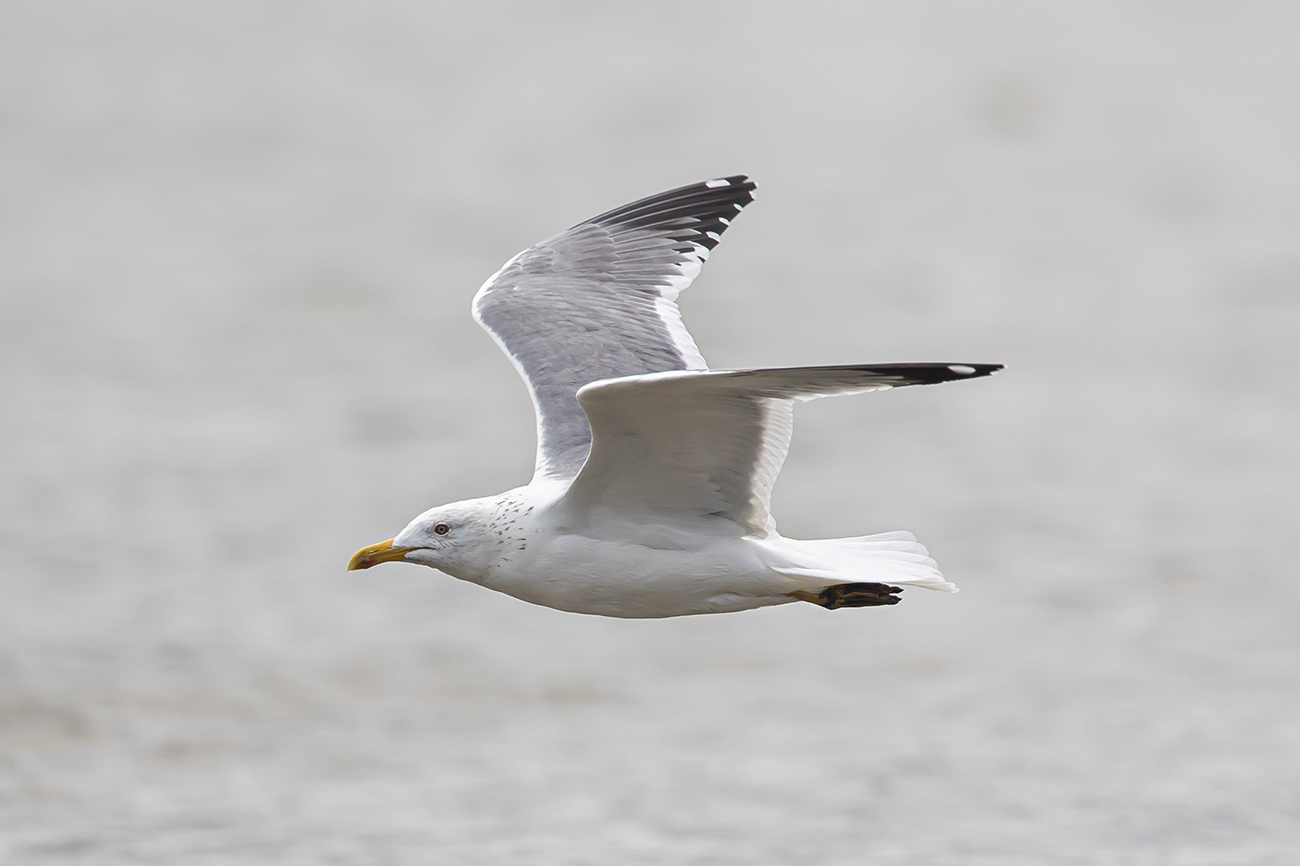
Most adult large gulls are already on their way back to their breeding grounds, with the exception for a few adult Heuglin's Gulls, which finally moulted into their breeding plumage with all white head.
 |
| Heuglin's Gull - adult breeding |
 |
| Heuglin's Gull |
Many 2nd year birds remain, including mainly Heuglin's and a few Vega Gulls, as well as numerous I didn't bother to identify...
 |
| Presumed Heuglin's Gull 2nd year bird |
 |
| Presumed Vega Gull 2nd year bird |
Peregrine Falcons regularly come through the mudflat, looking for any waders caught off guard. This Peregrine came through without much success, the egrets were not at all pleased by its presence...
 |
| Peregrine Falcon |
A drained pond at Tai Sang Wai produced more small waders, the best of which was a Little Stint feeding amongst the numerous Long-toed Stints. A Sharp-tailed Sandpiper also came by, it was wearing an orange flag on its right leg, which indicate it was banded in Victoria Australia. A single Red-necked Phalarope was feeding on the water.
 |
| Little Stint |
 |
| Long-toed Stint |
 |
| Sharp-tailed Sandpiper |
 |
| Red-necked Phalarope |
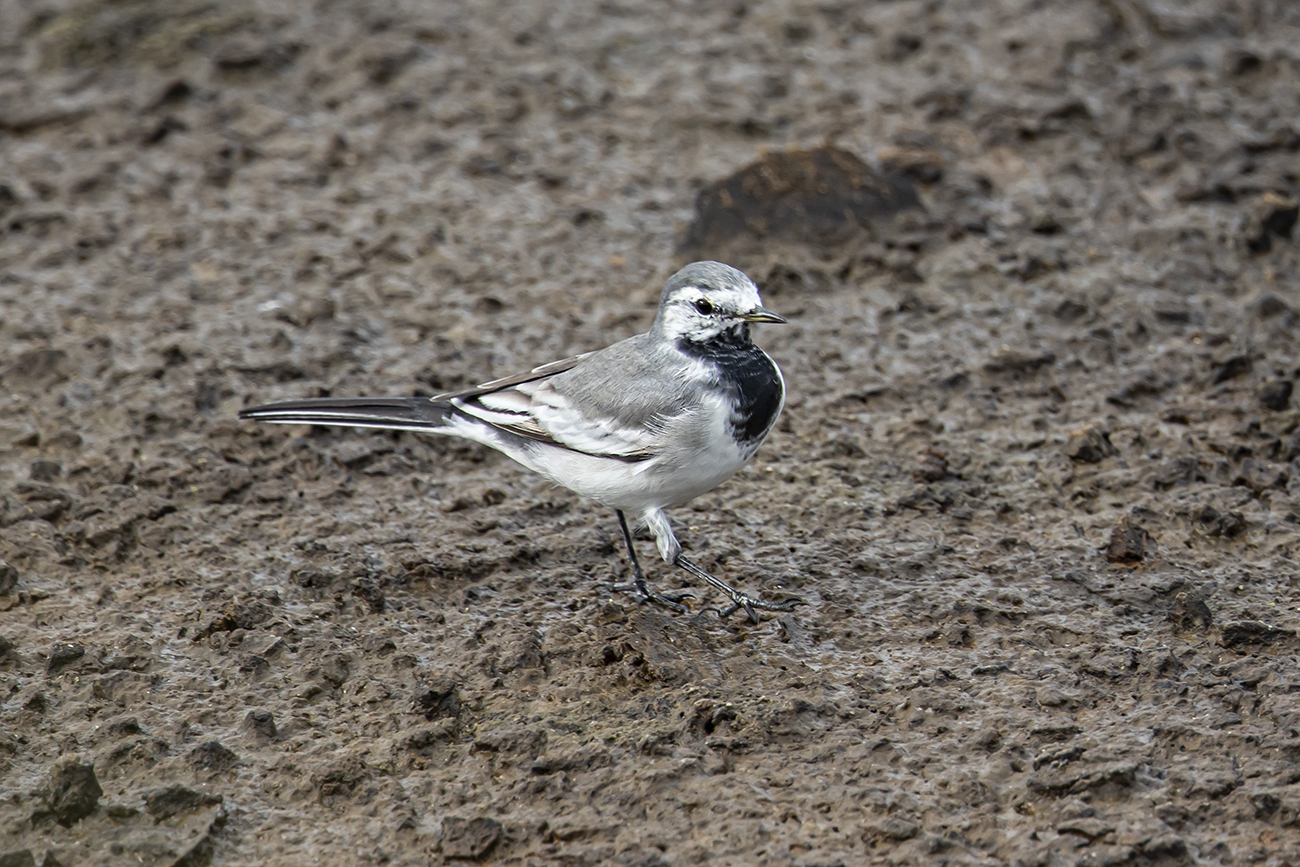
Other than waders, there were plenty of wagtails to scan through on the pond, including a nice looking Citrine Wagtail, numerous Eastern Yellow Wagtail and a few ocularis White Wagtails.
 |
| Citrine Wagtail |
 |
| Eastern Yellow Wagtail - taivana |
 |
| White Wagtail - ocularis |
I also caught up with the long staying male Bluethroat finally, where photographers have been offering it mealworms, although most photographers already moved on to other targets by now, there were only a three other people present at dusk and the bird was actively coming in and out of the tall grass.
 |
| Bluethroat - male |
It is the time of the year when Cuckoos are calling non-stop, the 'Brain-Fever' song echoes through the forest night and day, although they are as difficult to photograph as always...I also met my first Chestnut-winged Cuckoo the other day, a welcoming sight of this brilliant looking species.
 |
| Large Hawk Cuckoo |
 |
| Chestnut-winged Cuckoo |
My local patch had been fairly disappointing so far, with the exception of a single Narcissus Flycatcher and a flock of 40 Ashy Minivets over head, both left me without any photos. At Wu Kau Tang things were equally quiet, with the exception of a single Radde's Warbler, a rare sight in spring.
 |
| Radde's Warbler |
Without much migrants around, local residents such as these Rufous-capped Babblers kept me entertained. Other local birds that provided me fairly good photographic opportunities of late includes a very confiding Mountain Bulbul and some friendly White-bellied Erpornis.
 |
| Rufous-capped Babbler |
 |
| Mountain Bulbul |
 |
| White-bellied Erpornis |
Two Chinese Barbets were calling constantly at Tai Po Kau, they are never easy bird to see but if they are close enough you can often find them by following their calls. White-rumped Shama seems to have established itself at Tai Po Kau as well, you can hear their bubbly call along the forest trail, of which I am slightly worry about whether they will chase off other breeding birds like Hainan Blue Flycatchers...
 |
| Chinese Barbet |
 |
| White-rumped Shama - female |
 |
| Hainan Blue Flycatcher - male |